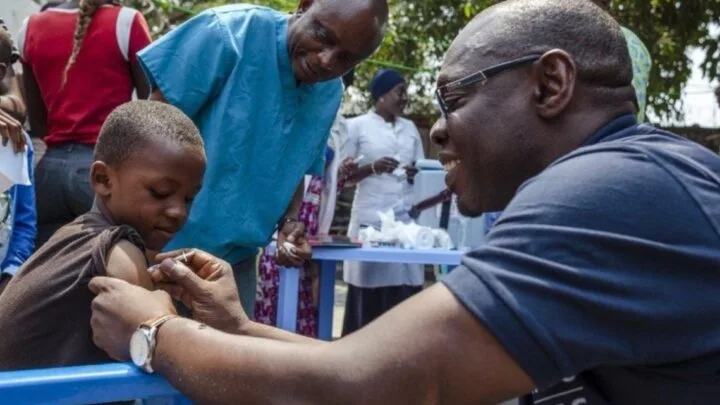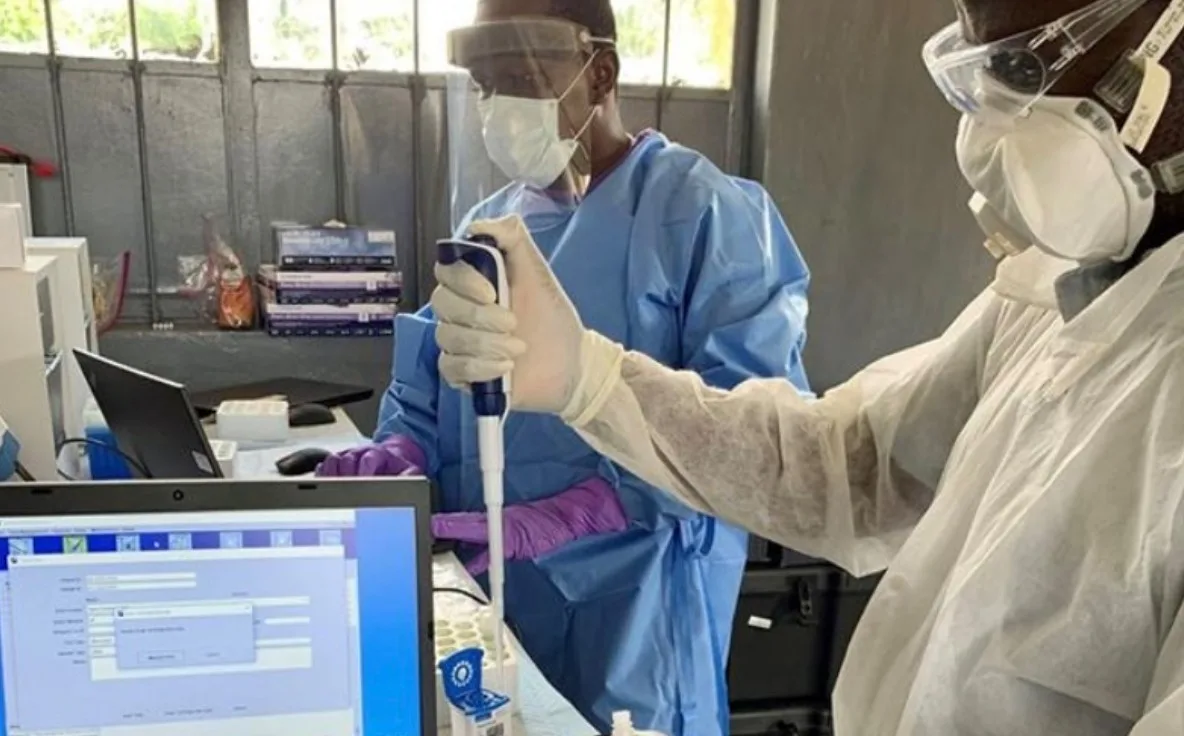

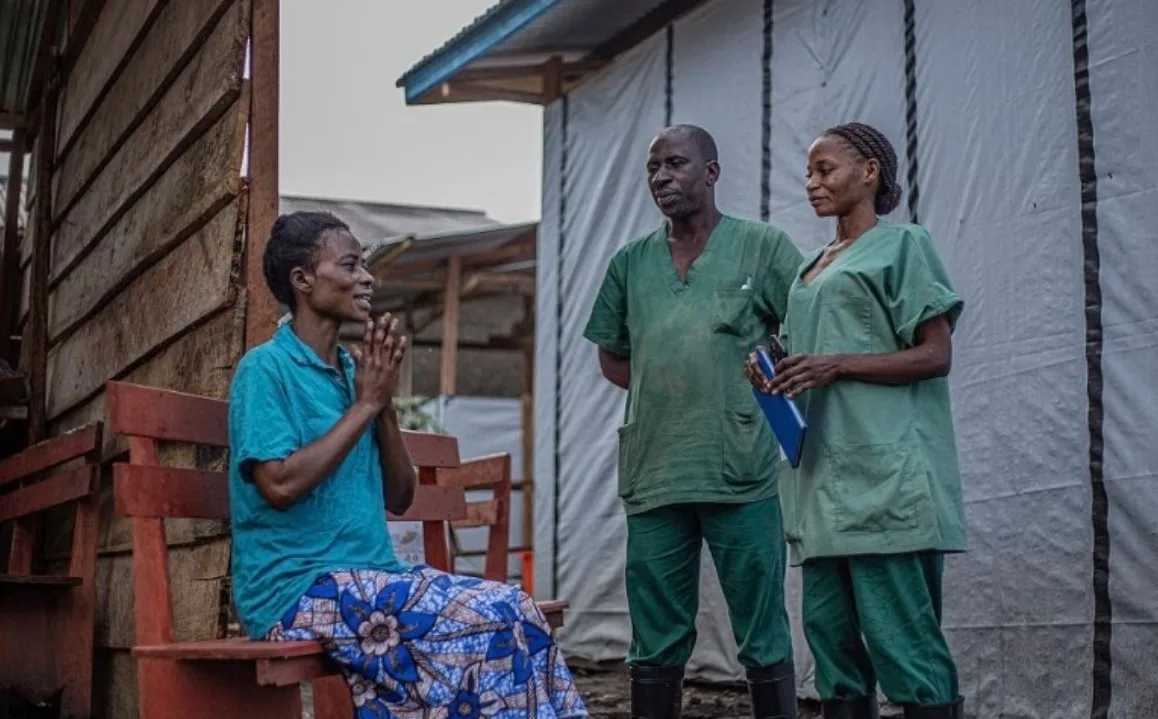
More than 2,700 people who have recovered from Ebola in the Democratic Republic of the Congo still require medical follow-up, highlighting the importance of care beyond the acute phase of the disease. In Bunia, Ituri Province, a dedicated clinic has provided consultations to more than 400 survivors since it became operational on September 19, 2026, helping address complications and support their physical and psychological recovery.
Established by the Ministry of Health in collaboration with the World Health Organization (WHO), with support from the United Nations Central Emergency Response Fund and the United Kingdom government, the clinic forms part of the response to the Ebola outbreak. A second facility opened in Beni, North Kivu Province, and began receiving survivors on October 17.
For health professionals, declaring a patient cured is not the final stage of treatment. Some survivors continue to experience symptoms that affect their daily lives and require further medical attention. The clinics therefore provide continuity of care after discharge from Ebola treatment centres.
Managing the aftereffects
Ebola survivors may experience a range of complications, including joint pain, chronic fatigue, neurological disorders and memory difficulties. Psychological effects, such as stress and irritability, can also persist after recovery.
Ganisikalé, a survivor, describes the difficulties associated with these symptoms, particularly forgetfulness and emotional distress. Her experience illustrates why medical follow-up must consider more than the disappearance of the initial infection.
According to Dr Huguette Mbuyi Musadi, a member of the Ministry of Health’s survivor identification and follow-up team, consultations include examinations to identify both Ebola-related aftereffects and other health conditions, such as diabetes and hypertension.
At the Bunia clinic, the care pathway combines general medical consultations, psychological support, nutritional assessments and laboratory tests. The process takes an average of two hours. Patients can therefore receive a broader assessment of their health rather than having their care limited to a single symptom.
Dr Roland Kasamaga, coordinator of the clinic, stresses that physical and psychological complications may emerge after patients leave treatment centres. Without appropriate follow-up, these problems can have lasting consequences for their health and well-being.
Monitoring health and preventing renewed transmission
The clinics also play a role in biological surveillance. The Ebola virus can persist in certain bodily fluids, including semen, for months after recovery. Monitoring survivors and providing preventive guidance are therefore important measures to reduce the risk of renewed transmission.
At the clinic’s pharmacy, nurse Elisée Mbusi explains the importance of taking prescribed medicines correctly and following prevention advice. Men are provided with condoms because sexual transmission remains a concern when the virus persists in semen.
For Dr Brys Busanga, WHO’s focal person for survivor follow-up, the clinics serve two essential purposes: preventing a resurgence of the disease and addressing the physical, psychological and nutritional difficulties experienced by survivors. He considers their involvement an indispensable component of a complete Ebola response.
Reducing stigma through community support
Beyond medical consultations, the facilities provide a setting where survivors can discuss their experiences without fear of judgement. Stigma remains an obstacle for some people, who may feel uncomfortable disclosing their history of Ebola in other healthcare settings or within their communities.
To encourage attendance, community mobilizers contact survivors directly and invite them to return for check-ups. Transport costs are reimbursed, helping reduce a practical barrier to accessing care. According to WHO, more than 90% of survivors contacted through this approach attend their follow-up appointments.
Christian Buna, who visited the Bunia clinic after being contacted by a community mobilizer, says healthcare workers listened to him and reassured him about his condition. Although he was told that everything was fine, he was advised to continue attending follow-up consultations. He now encourages other survivors to monitor their physical and mental health.
The clinics in Bunia and Beni demonstrate that the Ebola response must extend beyond treatment and discharge. By combining medical monitoring, psychological care, prevention and community support, health authorities and their partners are addressing the longer-term needs of survivors while strengthening efforts to prevent further transmission.