

Bleeding gums are not something to dismiss as normal. They may indicate inflammation, often caused by plaque buildup along the gumline. Understanding what triggers the bleeding and how to care for your teeth can help prevent more serious oral health problems.
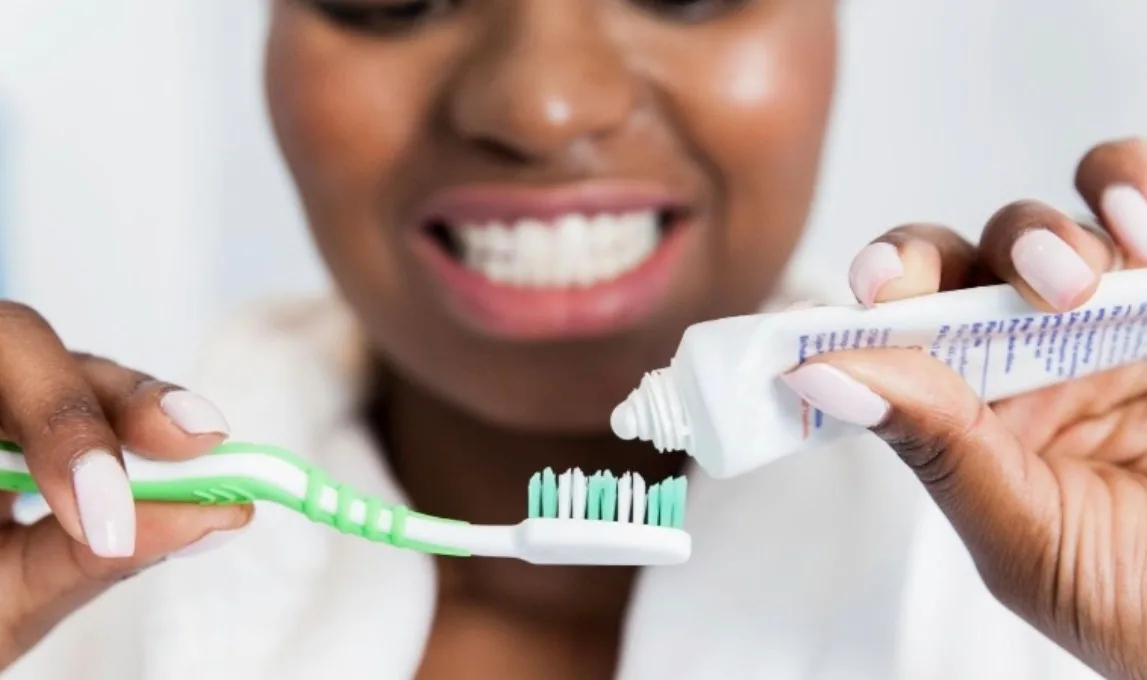
Using a soft-bristled toothbrush and gentle brushing techniques helps remove plaque while protecting the gums from irritation.
What causes gums to bleed?
Dental plaque is a sticky film of bacteria that accumulates on teeth, particularly near the gums and between the teeth. When it is not removed effectively, it can irritate the gum tissue, causing redness, swelling and bleeding during brushing or flossing. This condition, known as gingivitis, is an early form of gum disease and can often be reversed with good oral
hygiene and professional dental care when needed.
Brushing too hard or using a toothbrush with stiff bristles can also injure the gums. Other factors, including hormonal changes, certain medications, smoking and some medical conditions, may increase the risk of gum bleeding. Persistent or unexplained bleeding should therefore not automatically be attributed to brushing technique alone.
Should you stop brushing when your gums bleed?
No. Avoiding the affected area can allow plaque to accumulate further, worsening the inflammation. Instead, continue brushing gently and consistently, paying attention to the gumline without scrubbing aggressively.
Choose a toothbrush with soft bristles and a comfortable handle. Brush twice a day for about two minutes, using small, gentle circular movements where the teeth meet the gums. Clean every surface, including the back teeth, and replace your toothbrush when the bristles become frayed.
Toothpaste containing fluoride helps protect against tooth decay. Brushing harder does not make teeth cleaner; it can damage the gums and contribute to tooth wear.
Do not forget the spaces between your teeth
A toothbrush cannot effectively clean every space between the teeth. Dental floss or appropriately sized interdental brushes can help remove plaque and trapped food particles from these areas. Use them gently to avoid injuring the gums. If you are unsure which option suits your teeth, ask a dental professional for advice.
Rinsing with water after meals may help remove loose food particles, but it does not replace brushing or interdental cleaning. Sugary snacks consumed frequently can also increase the risk of tooth decay, making a balanced diet and regular oral hygiene important parts of dental care.
When should you see a dentist?
If your gums bleed repeatedly despite gentle brushing and careful cleaning, arrange a dental consultation. Red, swollen or tender gums, persistent bad breath, receding gums, loose teeth or pain when chewing also warrant professional assessment. A dentist can identify the cause, remove hardened plaque when necessary and recommend appropriate treatment.
Seek prompt medical advice if bleeding is heavy, spontaneous or accompanied by unusual bruising or bleeding elsewhere. These symptoms may indicate a problem beyond the gums.
Healthy gums should not bleed regularly during routine brushing. Rather than avoiding the toothbrush, improve your technique, clean between your teeth and seek professional advice when the problem persists. A few minutes of daily care can make a meaningful difference to your oral health.