CANAM’s new digital approval system promises faster healthcare access, but concerns remain over exclusion, cybersecurity, and unequal access for millions of Malianshttps://www.cisco.com/site/us/en/learn/topics/security/what-is-cybersecurity.html
Digitalization of healthcare approvals in Mali promises faster access and improved efficiency, but raises critical questions about equity, inclusion, and data security in a system where many citizens still lack reliable digital access.
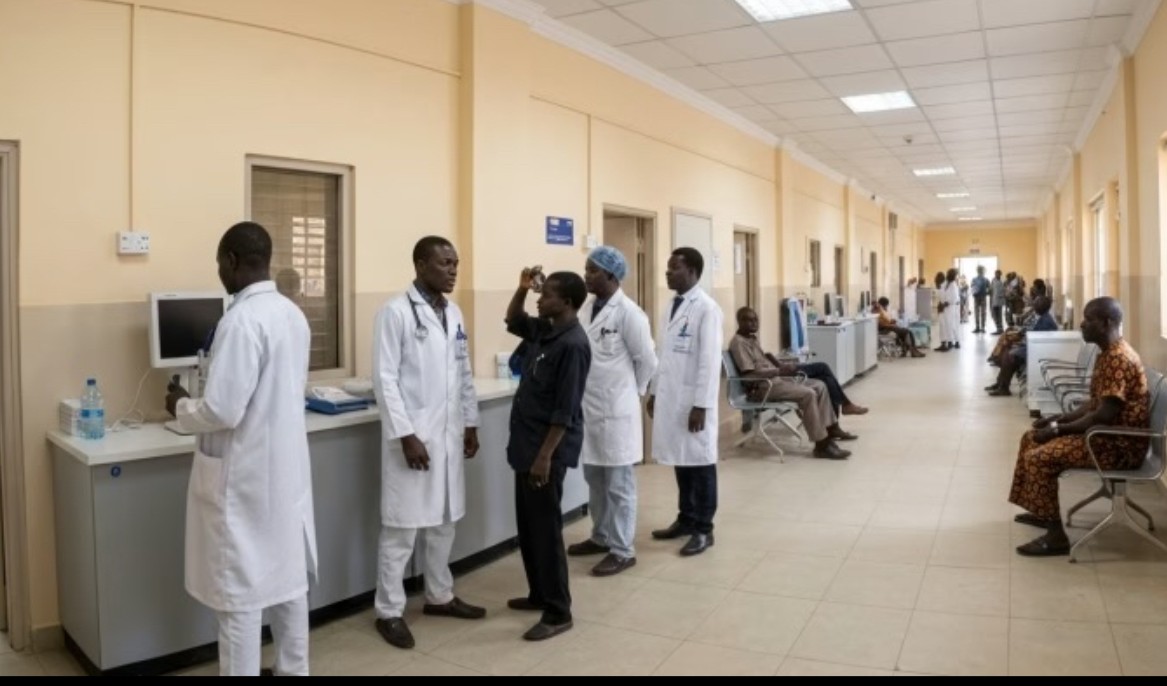
Mali’s healthcare system is entering a new digital era. The National Health Insurance Fund, Caisse Nationale d’Assurance Maladie (CANAM), has launched the digitalization of prior healthcare approval procedures under the country’s Mandatory Health Insurance scheme (AMO). Presented as a major administrative breakthrough, the reform aims to reduce delays, simplify procedures, and improve access to healthcare services for insured citizens.
For years, Malians seeking specialized treatment or medical coverage have struggled with lengthy paperwork, slow processing times, and administrative bottlenecks. With the new digital system, patients or healthcare facilities can now scan and upload medical prescriptions
and approval request forms through a secure online platform. CANAM’s medical experts then review the requests electronically and issue decisions more rapidly.
Health institutions, including Hôpital Mère-Enfant Le Luxembourg, have welcomed the initiative, describing it as a significant step toward modernizing Mali’s healthcare system and improving service delivery for beneficiaries of the AMO scheme.
On paper, the reform represents a major leap forward. Faster processing could reduce waiting times for patients, improve coordination between hospitals and the insurance system, and strengthen transparency in healthcare management. For many urban residents accustomed to digital tools, the new process may ease the burden of administrative procedures that have long delayed access to treatment.
Yet behind the promise of efficiency lies a more complex reality.
By centralizing and digitizing healthcare requests, CANAM gains greater oversight of medical spending and treatment approvals. Supporters argue this could help reduce fraud and abuse within the system. Critics, however, warn that tighter digital control could also create new bureaucratic barriers, especially if certain treatments are deemed “non-priority” despite medical necessity.
The reform also raises serious concerns about data protection and cybersecurity. Mali’s digital infrastructure remains fragile, and the storage of sensitive medical information online introduces new risks related to data breaches, cyberattacks, or unauthorized access to personal health records. Ensuring the confidentiality and security of patient data will require sustained investment and strong regulatory safeguards.
The greatest concern, however, may be the human impact of the reform.
While the digital system could benefit connected urban populations, millions of Malians living in rural areas still face limited internet access, unstable electricity, and low digital literacy. In many communities, access to healthcare could become increasingly tied to access to technology.
Elderly people, poorly educated populations, and citizens living far from urban centers risk being excluded from a process that relies heavily on digital navigation and online communication. Instead of eliminating barriers to healthcare, the reform could unintentionally create a new form of inequality, one where technological access determines medical access.
The challenge for Mali is therefore not only technological, but social.
Strategically, the initiative reflects a broader effort by Malian authorities to modernize public administration and improve governance. It also sends a strong message to international partners and donors about Mali’s willingness to embrace innovation and streamline public health spending.
However, experts emphasize that technology alone cannot guarantee success. The effectiveness of the reform will largely depend on public awareness campaigns, training for healthcare workers, and support systems for vulnerable populations unfamiliar with digital
tools.
Without inclusive implementation, the digitalization of healthcare approvals risks becoming a reform that benefits only a connected minority while leaving millions behind.
Ornéla ZANGA/Mali actu