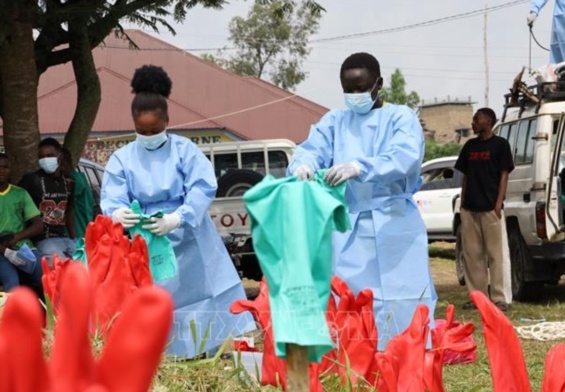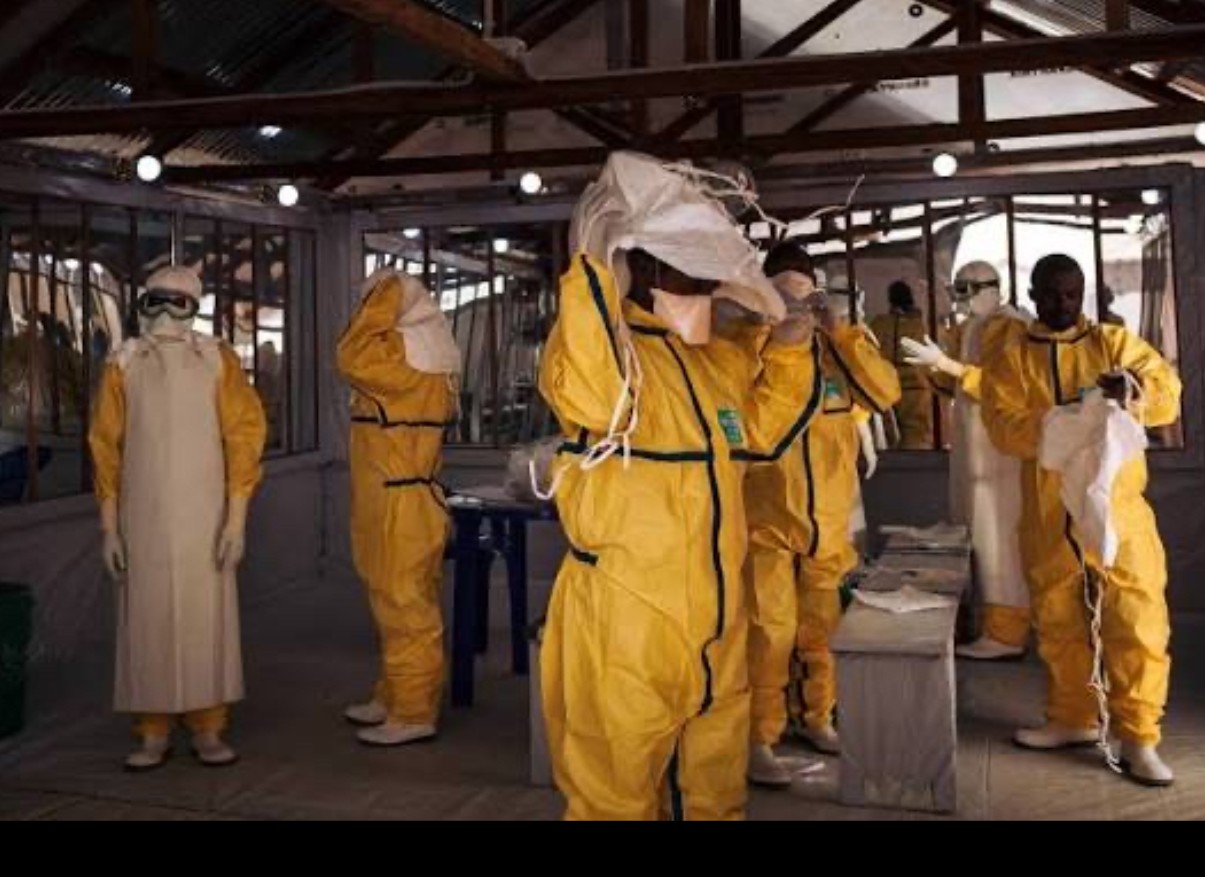
New clinical recommendations emphasize early supportive treatment as the cornerstone of survival during filovirus outbreaks, as the Democratic Republic of the Congo battles a Bundibugyo Ebola outbreak.
Healthcare workers in full protective equipment caring for a patient in an isolation ward during an Ebola treatment response, highlighting infection control and supportive care in filovirus outbreaks
The World Health Organization (WHO) has released its first comprehensive clinical management guidelines for filovirus diseases, covering all forms of Ebola virus disease and Marburg virus disease. Published on 17 June 2026, the guidance comes as the Democratic Republic of the Congo confronts an outbreak of Ebola caused by the Bundibugyo virus and aims to improve patient outcomes through evidence-based supportive care.
Filovirus diseases, which include Ebola and Marburg, are among the world’s most dangerous infectious diseases. Depending on the outbreak and virus strain, case fatality rates can range from 25% to 90%. Since the discovery of the Marburg virus in 1967, Africa has recorded 72 outbreaks of Ebola and Marburg diseases, many of which have left lasting social, economic and psychological impacts on affected
communities.
The new WHO guidance is particularly significant because approved vaccines and treatments remain unavailable for several filovirus diseases, including Marburg virus disease, Bundibugyo virus disease and Sudan virus disease. In these settings, supportive care remains the most effective intervention for improving survival.
“These new guidelines are a prime example of how WHO is using science to better protect and care for people during outbreaks and health emergencies,” WHO Director-General Dr. Tedros Adhanom Ghebreyesus said in a statement. He urged governments and health authorities to incorporate the recommendations into preparedness and response plans to ensure high-quality care during future outbreaks.
Developed through consultations with international experts and based on the latest scientific evidence and clinical experience, the guidelines translate lessons learned from recent Ebola and Marburg outbreaks into practical recommendations for frontline health workers. They are also intended to support hospital administrators and policymakers in strengthening outbreak preparedness through adequate supplies, laboratory services, biomedical equipment and trained personnel.
The document contains 16 evidence-based recommendations designed to help healthcare workers identify clinical deterioration early, manage life-threatening complications and provide structured follow-up care to survivors.
Among the key recommendations is the prioritization of laboratory testing to detect and manage treatable complications such as hypoglycaemia and metabolic disturbances. WHO also stresses the importance of rapid and accurate treatment of dehydration using oral and intravenous fluids.
For patients experiencing shock; a severe complication that can lead to organ failure, the organization recommends early administration of intravenous fluids and vasoactive medications, guided by continuous monitoring of vital signs and tissue perfusion. The guidelines further call for prompt antibiotic treatment when bacterial infections, including sepsis, are identified alongside filovirus disease.
Another major focus is post-recovery care. WHO recommends structured follow-up services for survivors to support long-term well-being and reduce the risk of infections associated with viral persistence after recovery.
According to WHO, early detection, rapid referral and optimized supportive care remain the foundation of treatment for Bundibugyo Ebola and other filovirus diseases. Beyond reducing complications and saving lives, strong supportive care
systems also create the conditions necessary for clinical research aimed at evaluating future antiviral therapies. The organization says the new guidance complements its existing operational tools and outbreak-response resources, helping countries deliver safer and more effective care during filovirus emergencies.