In eastern Democratic Republic of the Congo, researchers have launched a landmark clinical trial testing potential treatments against the rare Bundibugyo strain of Ebola virus disease. The study, underway in Bunia, comes as health authorities confront a rising caseload and a virus for which no approved therapy or vaccine exists.
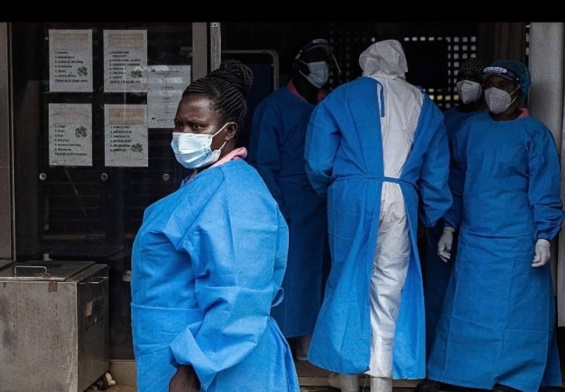
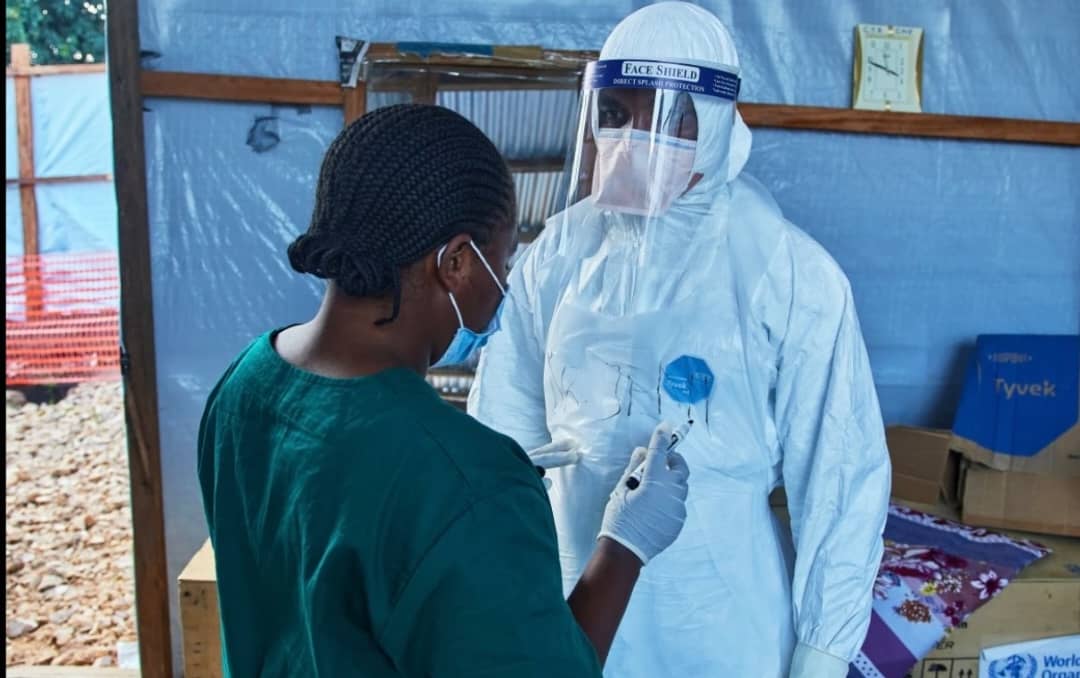
Health workers and researchers in Bunia, eastern DR Congo, continue Ebola care and clinical research as the PARTNERS trial begins testing experimental treatments against the rare Bundibugyo strain.
Researchers and clinicians in Bunia have begun enrolling patients into an adaptive clinical study designed to evaluate whether experimental and repurposed drugs can improve survival from Ebola virus disease caused by the Bundibugyo variant. The initiative unfolds inside an Ebola treatment center operating under intense clinical pressure, where patients continue to arrive daily amid ongoing transmission in Ituri province.
The trial, known as PARTNERS, is coordinated with support from the World Health Organization and international research partners. It is testing the antiviral remdesivir, the monoclonal antibody cocktail MBP134, and a combination of both therapies. The adaptive design allows researchers to modify the study as evidence emerges, including the potential addition of new candidate treatments during the outbreak response.
Health officials stress that the current outbreak is caused by the Bundibugyo strain of Ebola virus, a less frequently encountered variant for which no licensed vaccines or treatments are available. This distinguishes the situation from Ebola Zaire outbreaks, where therapeutic options have been deployed in recent years. According to the WHO, more than 1,400 confirmed cases and over 400 deaths have been recorded since the outbreak began, underscoring the urgency of the research effort.
All participants in the study receive standard supportive care, including fluid management, oxygen therapy where necessary, and treatment of complications such as electrolyte imbalance and secondary infections. Patients are then randomly assigned to receive one of the investigational regimens or continue with supportive care alone, with follow-up extending for at least 28 days to assess survival outcomes and recovery patterns.
The launch of the trial reflects a broader effort to strengthen evidence-based responses during high-fatality outbreaks in fragile settings. Alongside clinical research, responders continue to face logistical challenges, including insecurity, community mistrust, and strain on healthcare infrastructure in eastern Democratic Republic of the Congo. Despite these constraints, officials say the study represents a critical step toward identifying the first effective treatment options for Bundibugyo Ebola and improving preparedness for future outbreaks.
Public health experts say the results of the partners trial could reshape Ebola response strategies for rare strains such as Bundibugyo, particularly in regions with limited laboratory capacity and delayed outbreak detection. If either remdesivir or MBP134, or their combination, shows meaningful survival benefit, the findings could inform rapid deployment protocols in future epidemics.
Researchers caution, however, that final results will depend on sufficient enrollment and sustained access to treatment centers.