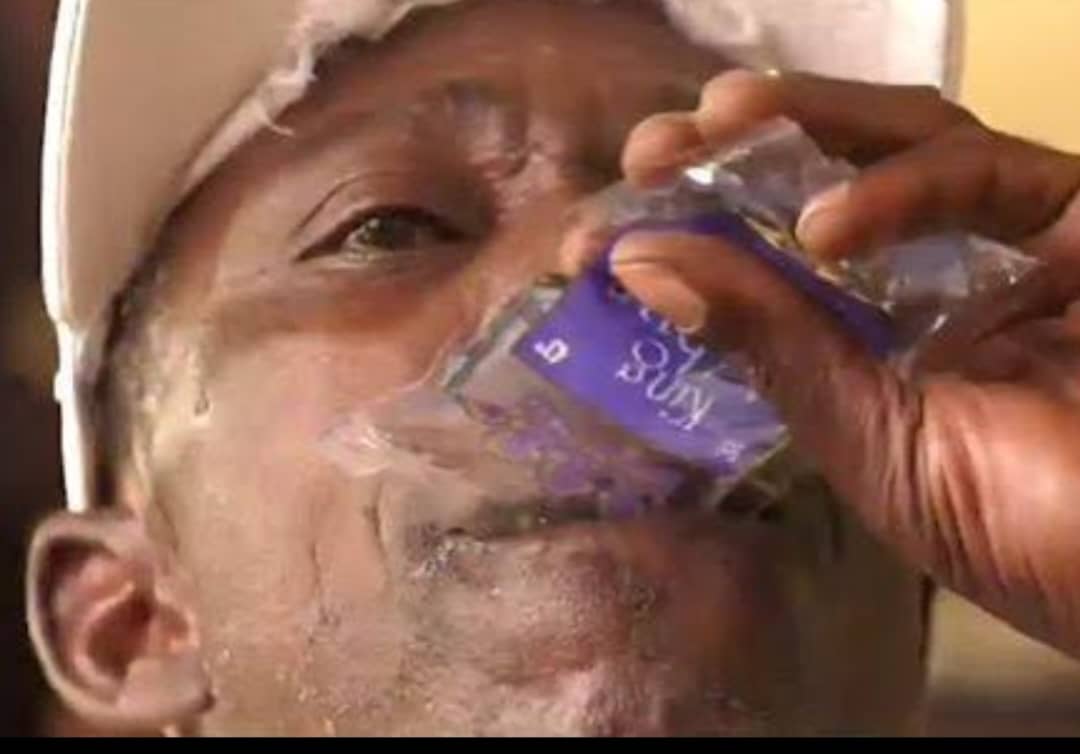
In the densely populated neighborhoods of Ngaoundéré and the towns of the Adamawa region, many young people consume packaged whiskey and other adulterated beverages. Commonly known as Kpakayaka, this drink is singled out as one of the causes of admissions to addiction treatment centers.
The figures are alarming. According to the addiction department at the Ngaoundéré Regional Hospital, 62 cases of poisoning linked to the consumption of sachet whisky have already been reported in the first half of 2026, resulting in 3 deaths among those who consumed this cheap beverage. By comparison, the hospital recorded only 60 cases for the entire year of 2025. In just six months, last year’s figures have already been surpassed. This, according to Ms. Simen Woumbuwou Edwige Ngouh, head of the addiction treatment, support, and prevention center, reflects the extent of youth addiction, particularly to these beverages.
Ineffectiveness of government actions
This rapid increase raises questions about the effectiveness of awareness campaigns conducted in recent years by health and administrative authorities. Despite repeated
warnings, particularly to young people, these adulterated beverages continue to flood informal drinking establishments, enticing customers with their low prices and easy availability. This raises the question of the progress made regarding the commitments outlined in the joint decree issued by the Ministry of Mines, the Ministry of Commerce, and the Ministry of Public Health on September 12, 2014.
Unemployment and job insecurity
In neighborhoods like Joli Soir, Socaret, Onaref, Mandela, Burkina, Dang, and even in rural areas, many people swear by these drinks, despite their harmful effects on health, according to experts. These beverages don’t just attract the unemployed; they also extend their reach to students, pupils, and unemployed university graduates. To fill their days and alleviate their worries, some succumb to consuming these drinks with alcohol content far exceeding what is stated on the label.
In this world of sachet whiskey, women are also avid consumers, disregarding their own health and that of their offspring. « Among the people we treat, there are also women, » explains Ms. Simen. She adds, « Alcohol consumption during pregnancy is a cause of fetal malformations, low birth weight, and premature births, among other things. »
Possible solutions
Faced with this surge, consumers are developing their own solutions to this public health problem. « If the government doesn’t want us to consume it, it’s simple. Let them give us jobs. That way, we can drink beer like the wealthy, » suggests Issa, a consumer. His colleague Vincent adds, « At first, I didn’t drink kpakayaka, but after failing several competitive exams, now I have to buy the sachets to do my jobs. » In the city of Ngaoundéré and even in the surrounding region, many informal sector workers are turning to this beverage, lacking sustainable solutions to their daily problems. Public health officials also emphasize the need for psychosocial support for vulnerable populations, who are often driven to alcohol by unemployment and precarious living conditions.
In Ngaoundéré, as elsewhere in the Adamawa region, the urgent priority is now to transform ad hoc campaigns into a sustainable prevention policy, otherwise this grim toll will continue to rise in the coming months. The 62 cases reported in the first half of 2026, while significant, pale in comparison to the devastation these whiskeys wreak daily in both the towns and rural areas of the Adamawa region.