Despite a historic record of 9 out of 10 teams qualifying for the second round, Africa faltered due to a lack of psychological preparation. Victims of the « almost-miss » syndrome, Senegal, Egypt, and the DRC all collapsed after the 85th minute, lacking mental preparation professionals within coaching staffs overwhelmed by the pressure.
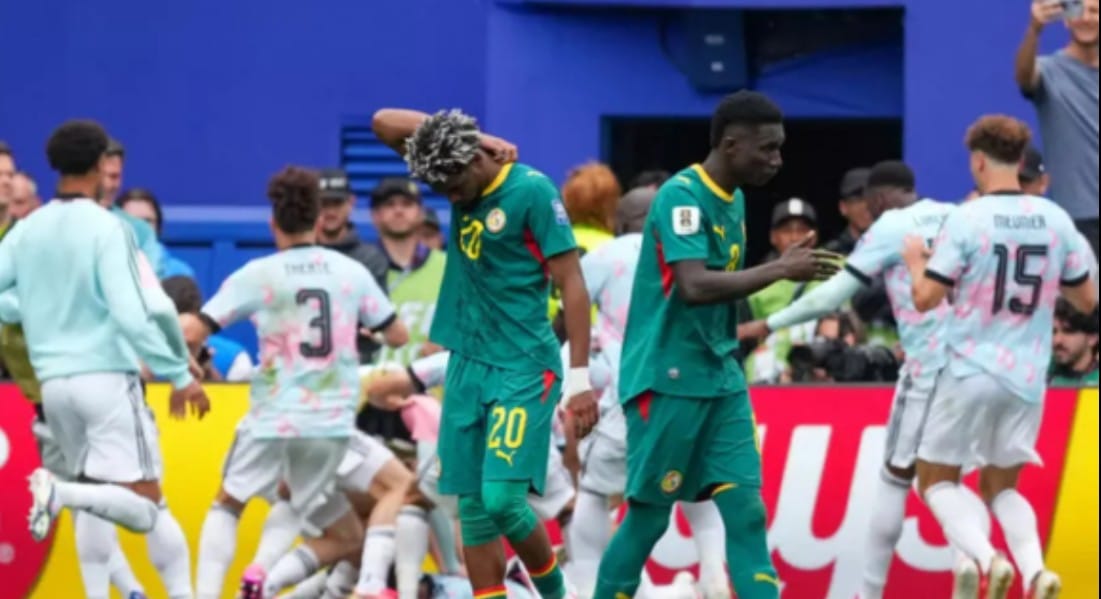
The observation is as striking as it is harsh. From a purely statistical standpoint, the 2026 FIFA World Cup will be remembered as a tournament of historic progress for African football. By placing 9 of its 10 representatives in the round of 32, an exceptional 90% success rate in the group stage, the continent definitively validated the expansion of its quotas. Yet, as soon as the knockout stages began, an old structural problem resurfaced, abruptly shattering dreams of the quarter-finals or semi-finals: the failure of psychological preparation in the final minutes. This phenomenon, which specialists now call the « almost-miss syndrome, » manifested as a widespread mental blackout during the third round (Round of 32). The scenarios followed one another in dramatic fashion. Senegal, comfortably leading 2-0 against Belgium in the 85th minute, collapsed to lose 3-2 in extra time. Egypt suffered the same fate against Argentina after dominating the first half. Ivory Coast against Norway, DR Congo against England, and South Africa against Canada: all these teams capitulated after the 85th minute or during extra time.
From a sports medicine and high-performance perspective, this collective collapse is not physical, but cognitive. When the stakes become extremely high, a shift in the players’ mental approach is observed: they move from a winning mentality to a survival mentality. This instinctive retreat cedes the psychological initiative to the opponent.
The primary cause of this deficit lies in the very structure of African coaching staffs. While the world’s leading nations integrate elite performance units (mental coaches, neuropsychologists, experts in stress management under extreme fatigue), the majority of the continent’s national teams still rely on the traditional trio: coach, doctor, and physiotherapist. Mental health and emotional clarity under high pressure are largely treated as secondary variables, or even ignored. Added to this is a peripheral mental burden (managing bonuses, logistical guesswork) that overwhelms athletes well before kickoff.
To break through this glass ceiling by 2030, the Confederation of African Football (CAF) and local federations must absolutely professionalize the invisible support
network for athletes. This requires institutionalizing the presence of certified sports psychologists within official staff, integrating cognitive resilience from the outset of youth training, and streamlining administrative governance to free the players’ minds. The 2026 World Cup proved that Africa has the technical ability to dominate the world; it now needs to learn how to « kill » matches, a clinical art that is first and foremost mastered mentally.