With two matchdays remaining in the Guinness Super League, the players are exhausted. Suffering from a grueling schedule, long journeys, and limited squads, the athletes are experiencing a wave of injuries that is marring the spectacle, despite FC Ebolowa’s heroic victory.
With two matchdays remaining in the Guinness Super League, the players are exhausted. Suffering from a grueling schedule, long journeys, and limited squads, the athletes are experiencing a wave of injuries that is marring the spectacle, despite FC Ebolowa’s heroic victory.
The final sprint of the Guinness Super League resembles more of an ordeal than a football celebration. With only two matchdays left in this 6th edition, a cry of alarm is rising from the Cameroonian pitches: the players are exhausted. Behind the intensity of the matches and the quest for points lies an alarming athletic reality, marked by a relentless schedule of games since the start of the championship last February.
A suffocating schedule for the players’ bodies
To complete the season on time, the Cameroon Women’s Football League had no choice but to condense its calendar. The result: the increased number of midweek matches has deprived the teams of their most precious resource: time.
With less than 72 hours of rest between two high-pressure games, the players’ bodies are no longer able to recover. Added to this is the grueling logistics. The long journeys across the country to reach the stadiums in Yaoundé, Douala, Ebolowa, or Garoua eat into the precious hours that medical staff would like to dedicate to post-match treatments and massages. The Perverse Effect of Limited
Player Squads.
On paper, the competition regulations allow each club to register up to 30 players. In reality, the clubs’ economic realities dictate otherwise. Lacking the resources to maintain a large and cohesive squad, almost all coaches rely on a core group of 13 to 14 professional players. It’s always the same faces that start, absorb the impacts, and play every minute, pushing fatigue to its absolute limit.
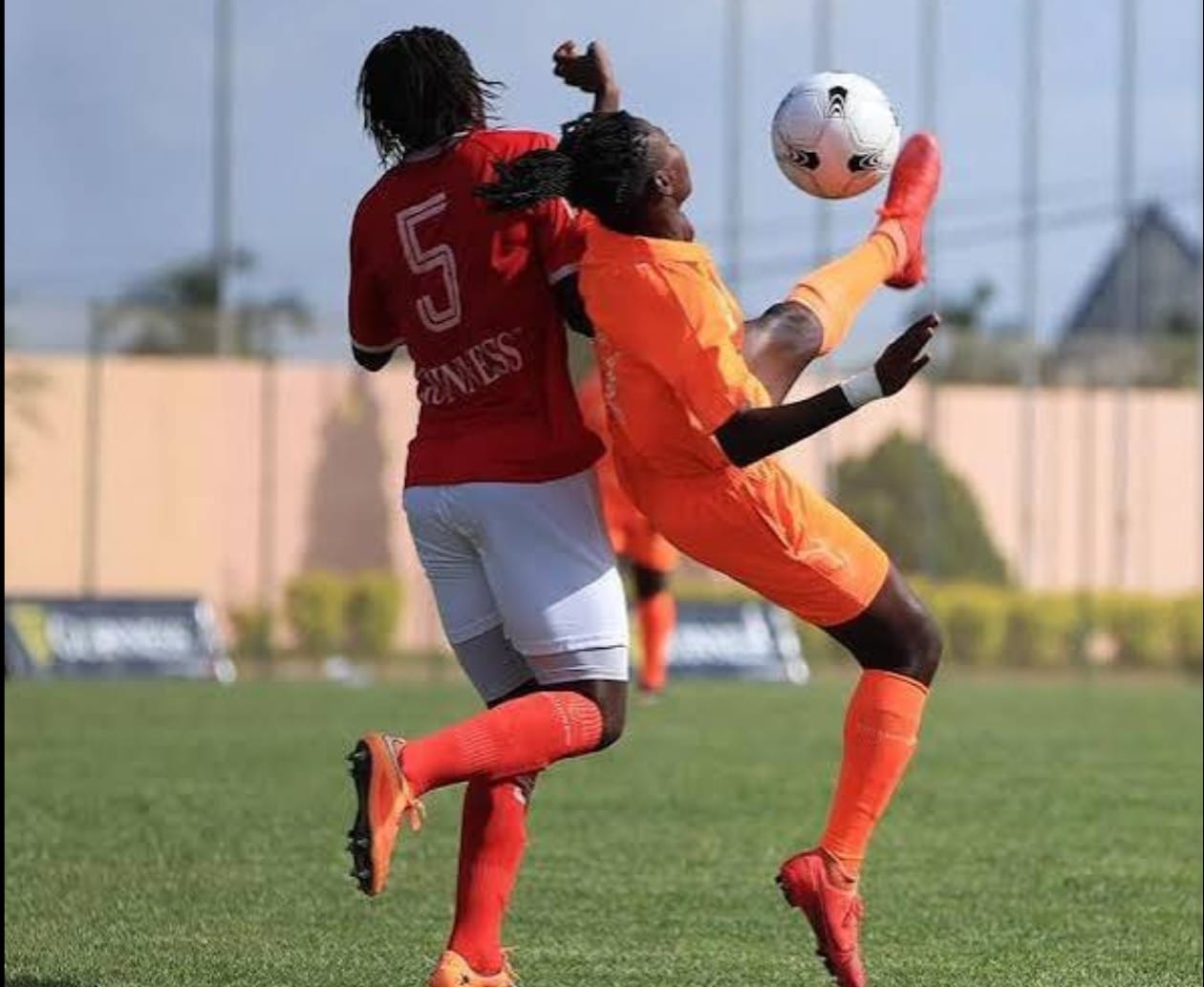
This widespread exhaustion has a direct impact on the quality of the game. On the field, composure diminishes and technical errors increase. Above all, the overall drop in intensity is palpable: teams now prefer to sit back and manage the score rather than risk a high press, which has become physically suicidal. Even more serious, the clubs’ medical staff are sounding the alarm about the surge in muscle injuries, strains, pulls, and cases of severe dehydration at the end of matches.
FC Ebolowa, champions despite adversity
The power of mental strength: Despite the physical pressure weighing on the league, FC Ebolowa demonstrated extraordinary athletic resilience by officially clinching the Cameroonian championship title two matchdays from the end, snatching the crown from Lékié FC. This feat owes as much to mental preparation as to the strategic management of their squad. While the level of competitiveness and the players’ commitment have undeniably risen this season, boosted by increased bonuses and the arrival of major partners like BetPawa, the urgent need for calendar reform is clear. For the Guinness Super League to remain the shining showcase of Cameroonian women’s football, FECAFOOT’s scheduling must, starting next season, prioritize the physical well-being of the players. Both the spectacle and the health of the players depend on it.