At the heart of Cameroonian health training, the supervision of underage caregivers and young civil servants raises formidable legal and ethical challenges.
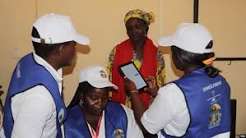
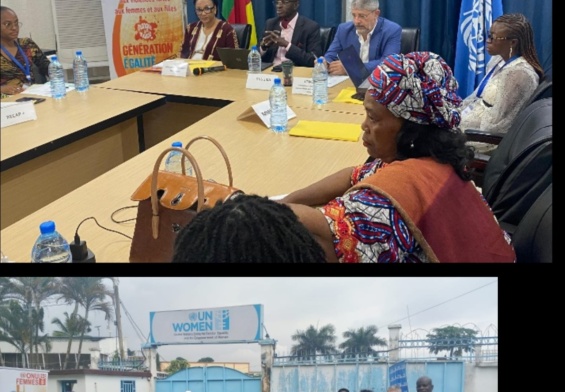
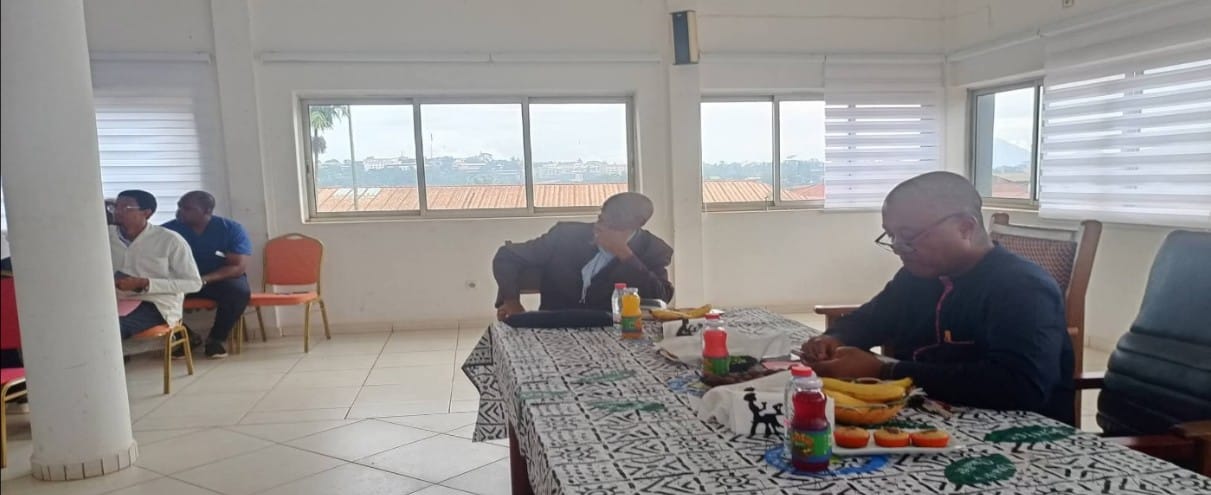
The scene is sadly familiar in the corridors of our healthcare facilities, where human tragedy sometimes intersects with the cold rigor of the courtroom. At the heart of emergency departments and care units, alongside seasoned professionals, a unique group of medical personnel works: underage healthcare workers, academic trainees, or young civil servants recruited as young as 17. Between mastering technical skills and the fear of fatal errors, these young trainees navigate a gray area where law and medicine tragically collide. When the irreparable occurs, who—the young person, the supervisor, or the institution—should answer for their actions before a judge? The complexity of this professional cohabitation was at the center of the debates during the Ethics Café on July 28, 2026, under the enlightened guidance of Dr. Tidianie Nalbert Mogue Bopda Boujieka, Forensic Doctor, expert in personal injury and head of the Forensic Medical Unit of the Central Hospital of Yaoundé. Moderated by Professor Pierre Ongolo Zogo, Director of the institution, this meeting brought together healthcare professionals, researchers, and students. Discussions focused primarily on the legal, ethical, and professional standards of training and supervising young healthcare professionals.
To grasp this reality, one must first confront the paradoxes of our legislation. In Cameroonian Francophone civil law, the age of majority is set at 21, granting a 17- or 19-year-old trainee the status of a minor with specific protections, while the Penal Code considers them criminally responsible from the age of 10 to 14, with mitigating circumstances until they reach the age of criminal majority at 18. This variable geometry of legal thresholds is accompanied by strict rules governing youth employment. The Labor Code authorizes apprenticeships from the age of 14 but severely regulates activities, formally prohibiting night work and exposure to so-called hazardous work. Yet, in practice, pressure from government agencies sometimes exposes these young people to disproportionate responsibilities. The cardinal rule of supervision remains absolute: a minor trainee must never be left alone and must never, on their own initiative, perform an act reserved for professionals registered with a professional order.
The issue of financial and criminal liability highlights the fragility of the healthcare system. In public hospitals, civil liability gives way to the concept of service-related negligence, directly engaging the State before the administrative courts, while in the private sector, the provider assumes civil liability for the actions of its employees. On the criminal level, however, the sanction is absolute: the young healthcare professional is personally responsible for their actions in cases of manslaughter or
unintentional injury due to negligence. For the supervising physician, the slightest lapse in supervision results in their own ethical and criminal liability being called into question. Undocumented supervision is considered by the courts to be equivalent to a complete absence of supervision, reinforcing the four essential pillars of safe mentorship: documenting, progressively delegating, validating, and informing the patient.
Beyond the legal texts, the debate raised by experts at Yaoundé Central Hospital profoundly challenges our ethical conscience. How can we reconcile the noble mission of training the next generation of medical professionals with the absolute principle of respecting human dignity and patient safety? Hospitalized patients should in no way be reduced to mere teaching aids. The crucial issue of informed consent reminds us that every patient has the legitimate right to accept treatment while refusing to allow a trainee to perform the procedure, without this compromising the quality of their care.