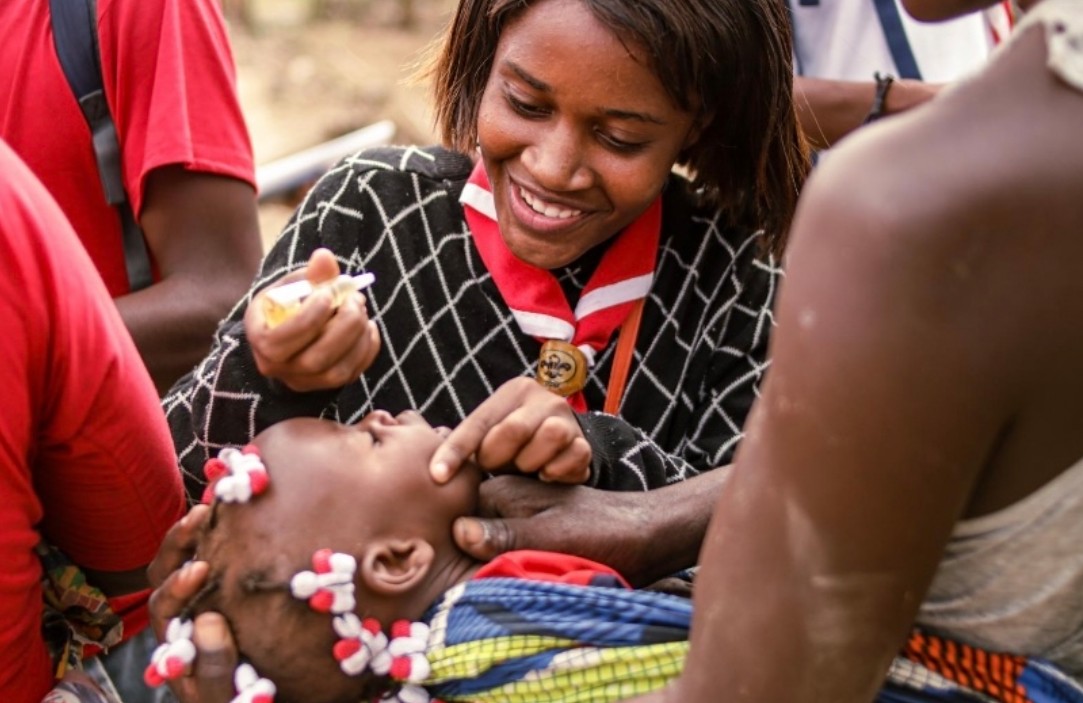
Angola is stepping up efforts to eradicate polio after two national vaccination campaigns and two cross-border campaigns reached more than nine million children under five in the first half of 2026, according to the World Health Organization.
Angola is moving to strengthen its polio eradication strategy by turning lessons from recent vaccination campaigns into concrete measures to reach more children and improve disease surveillance.
The new approach follows a national post-campaign evaluation workshop held by the Ministry of Health through the National Immunization Program, with support from the World Health Organization and other partners. The three-day assessment reviewed the performance of vaccination activities conducted during the first half of the year and identified operational gaps that could affect efforts to interrupt poliovirus transmission.
Reaching unvaccinated children
More than nine million children under five were vaccinated during two national campaigns and two additional campaigns conducted in coordination with Namibia and the Democratic Republic of the Congo in border areas.
The evaluation examined vaccination data, independent monitoring, quality surveys,
supervision reports, vaccine logistics, epidemiological surveillance and social mobilization. The findings pointed to the need for better campaign planning, stronger use of data and greater capacity to reach children living in remote and hard-to-reach communities.
Routine immunization was also identified as a critical part of the response. Health authorities are seeking to identify children who have received no vaccine doses or who remain under-immunized, while improving the management of vaccines and supplies and expanding access to vaccination services across the country.
The objective is to reduce the number of zero-dose children and ensure that protection against polio does not depend solely on periodic campaigns.
Surveillance remains critical
Beyond vaccination, Angola is strengthening surveillance systems capable of detecting poliovirus circulation at an early stage. Particular attention is being given to surveillance of acute flaccid paralysis and environmental surveillance.
These systems are essential because poliovirus can circulate silently, especially in communities where vaccination coverage is insufficient. Angola has continued to report circulation of type 2 poliovirus, with detections recorded since 2024 and linked to immunity gaps in some populations.
Cross-border coordination is another priority. Angola has already worked with the Democratic Republic of the Congo and Namibia on vaccination activities, recognizing that population movement across borders can facilitate the spread of poliovirus. In May, Angola and the DRC conducted a synchronized campaign along the Luvu border, targeting highly mobile communities.
From campaigns to long-term protection
The latest measures are also aligned with Angola’s National Immunization Strategy 2026–2030, which aims to achieve 90% vaccination coverage by 2030 and reduce the number of zero-dose children to below 5%. The strategy also seeks to maintain the country free of wild poliovirus while strengthening surveillance, vaccine supply systems and sustainable immunization financing.
Following the evaluation, Angola plans to develop a national action plan setting out priority measures, responsibilities, deadlines and monitoring mechanisms.
For health authorities and partners, the challenge is therefore no longer simply to conduct successful vaccination campaigns, but to sustain high coverage, close immunity gaps and detect transmission quickly. By combining vaccination,
surveillance, community engagement and cross-border cooperation, Angola is seeking to move closer to a polio-free future.