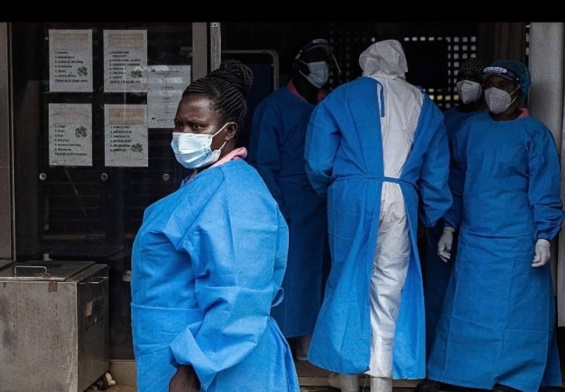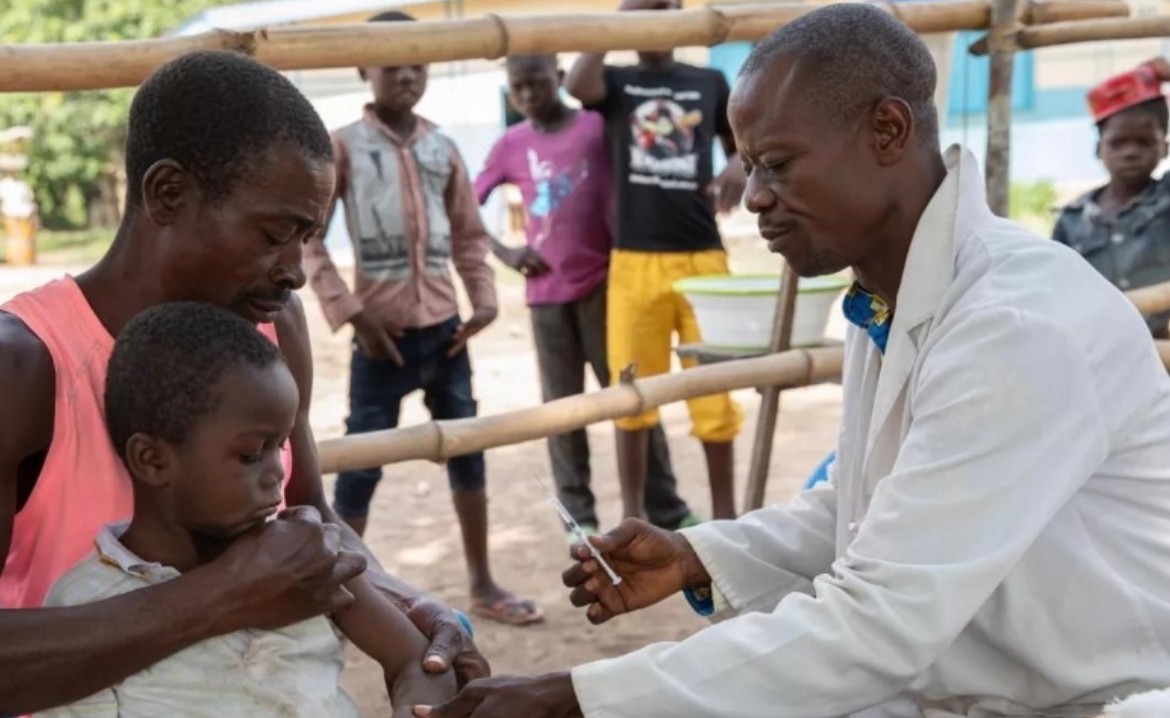
The Ebola outbreak in the Democratic Republic of the Congo is taking a heavy toll on children, with more than 300 deaths recorded among those under 18. UNICEF is warning that the epidemic is also disrupting essential health services for children and families.
More than 300 children have died from Ebola in the Democratic Republic of the Congo since the beginning of the current outbreak, according to new data released by UNICEF on 6 August. The figures highlight the growing impact of the epidemic on one of the country’s most vulnerable populations, as the outbreak continues to spread across several provinces.
As of 2 August, 743 confirmed Ebola cases had been reported among children aged between zero and 17. Of these, 330 had died, meaning that children account for a significant share of the deaths recorded in the outbreak. UNICEF said the situation is particularly concerning in Ituri Province, where the epidemic has placed additional pressure on an already fragile health system.
Essential services disrupted
The consequences go beyond Ebola infections themselves. According to UNICEF, the outbreak is disrupting essential health services, including routine childhood vaccination and other forms of primary healthcare. This creates an additional risk for children who may not have Ebola but are still affected by the deterioration of health services in communities where the disease is spreading.
The DRC was already facing major humanitarian and health challenges before the latest outbreak. Conflict, population displacement and limited access to healthcare have made it difficult to maintain essential services in several parts of the country. The Ebola epidemic is now adding another layer of pressure to these systems.
Cases continue to rise
The overall Ebola situation has deteriorated rapidly in recent weeks. On 7 August, confirmed cases in the DRC passed the 4,000 mark. Government figures reported 4,053 confirmed cases and 1,850 deaths, making the current outbreak the second-largest Ebola outbreak ever recorded.
The outbreak is caused by the Bundibugyo strain of Ebola virus and was first officially reported in May. Health authorities have expressed concern about the speed of transmission and difficulties identifying contacts of confirmed patients. Africa CDC and WHO are therefore intensifying surveillance and community-based case detection, including door-to-door searches for people who may have symptoms or have been exposed to the virus.
Protecting children remains a priority
For UNICEF, containing Ebola must go hand in hand with protecting children’s
access to essential services. Maintaining vaccination, nutrition, maternal and child healthcare and other basic services is crucial while the response to the outbreak continues.
The growing number of children infected and killed by Ebola also underlines the importance of early detection and rapid access to treatment. In communities affected by the epidemic, strengthening awareness, encouraging people to report symptoms early and ensuring safe access to healthcare remain key components of the response.
As the DRC battles an outbreak that has already claimed thousands of lives, the situation of children is becoming an increasingly important measure of the humanitarian and public health consequences of the epidemic.