According to the latest updates, more than 2,000 people have now died from Ebola in the Democratic Republic of the Congo, as the country battles its fastest-growing outbreak on record, with conflict, poor infrastructure and health worker strikes complicating the response.
The Ebola outbreak in the Democratic Republic of the Congo has crossed a grim milestone, with 2,011 confirmed deaths recorded as of August 11, according to the latest figures from Congolese health authorities. A total of 4,381 confirmed cases have been reported across five provinces, placing the outbreak among the deadliest Ebola epidemics ever recorded.
The outbreak, caused by the Bundibugyo strain of Ebola virus, was officially declared in May after cases were detected in Ituri Province. However, health authorities believe transmission may have started months earlier, allowing the virus to circulate undetected before the outbreak was identified.
Death toll doubles in just weeks
The speed of the outbreak has raised particular concern among health officials. The number of
recorded deaths has doubled from about 1,000 to more than 2,000 in roughly three weeks, highlighting how rapidly transmission is accelerating.
The current fatality rate stands at around 46 percent, significantly higher than that recorded during the 2014–2016 Ebola epidemic in West Africa.
The outbreak is now considered the second-largest Ebola epidemic on record, behind the West African crisis that killed more than 11,000 people between 2014 and 2016.
Conflict hampers the response
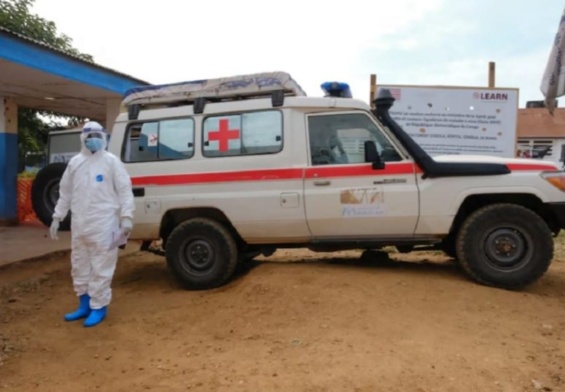
Health workers are facing major obstacles in reaching affected communities, particularly in eastern DRC. Armed conflict, poor roads and difficult access to remote areas are slowing the identification, transport and isolation of suspected cases.
Health workers have also faced work stoppages linked to unpaid salaries, further weakening an already overstretched response system.
The situation is particularly worrying in Ituri, the epicenter of the outbreak, where health facilities are struggling to cope with the growing number of patients.
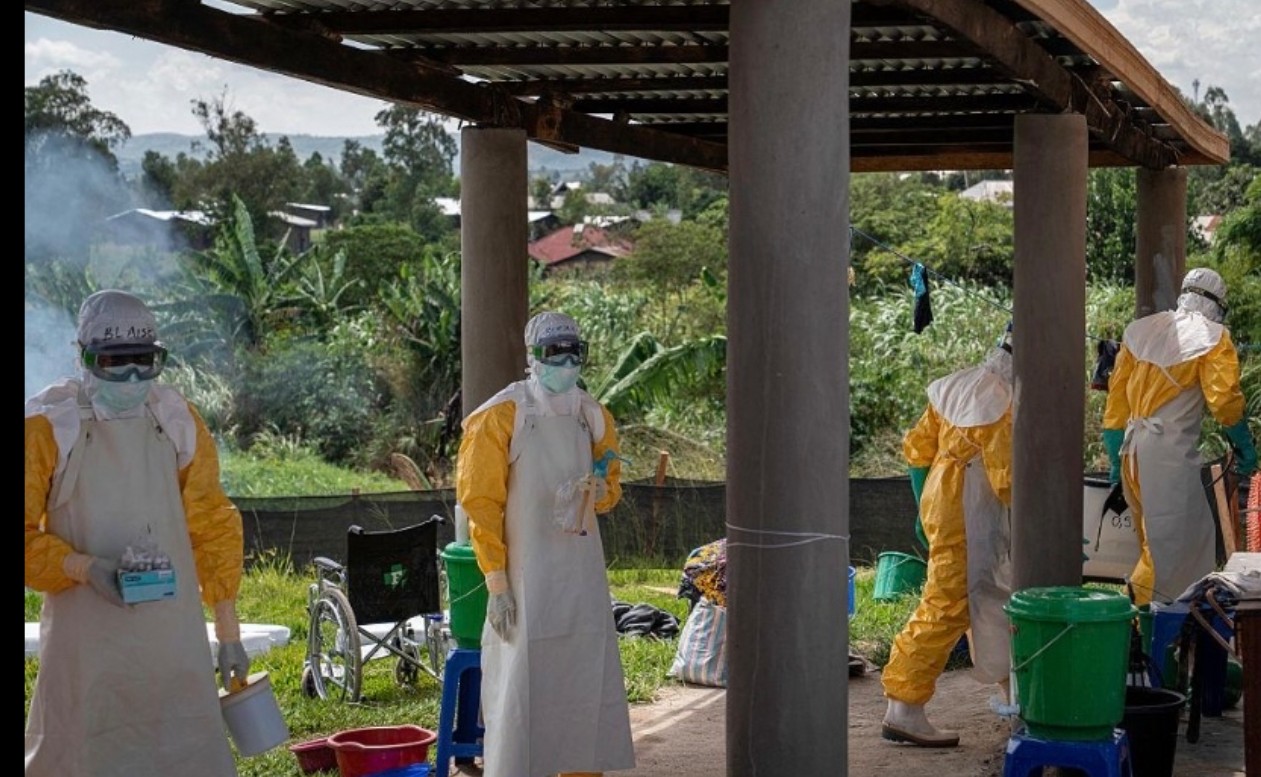
As of the latest update, 704 patients were hospitalized in isolation.
A virus with limited medical options
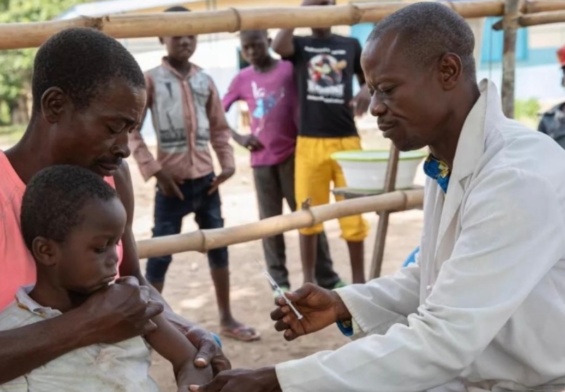
The outbreak presents another major challenge because the Bundibugyo virus is a rare Ebola species for which there is currently no approved vaccine or specific treatment.
Clinical trials are nevertheless underway in Ituri as researchers seek potential tools against the virus. In the meantime, early detection, rapid isolation and supportive medical care remain central to the response.
Health authorities are also working to trace contacts and strengthen surveillance in affected communities. But officials warn that continued transmission beyond known contacts suggests that the outbreak is not yet under control.
A widening regional concern
Although the outbreak is concentrated in the DRC, its proximity to neighboring countries makes cross-border surveillance essential. Uganda has also experienced cases linked to the Bundibugyo virus, prompting increased monitoring along the border.
The latest milestone in the DRC therefore represents more than a rise in the death toll. It is a warning of how quickly an infectious disease can overwhelm fragile health systems when delayed detection, insecurity and limited access to healthcare converge.
For health authorities and international partners, the priority is now clear: detect cases earlier, reach isolated communities faster and prevent the virus from spreading further before the outbreak becomes even more difficult to contain.