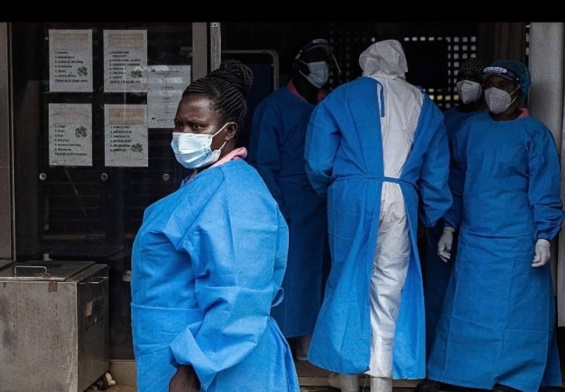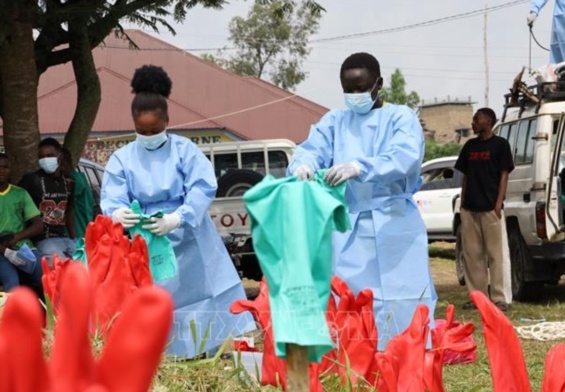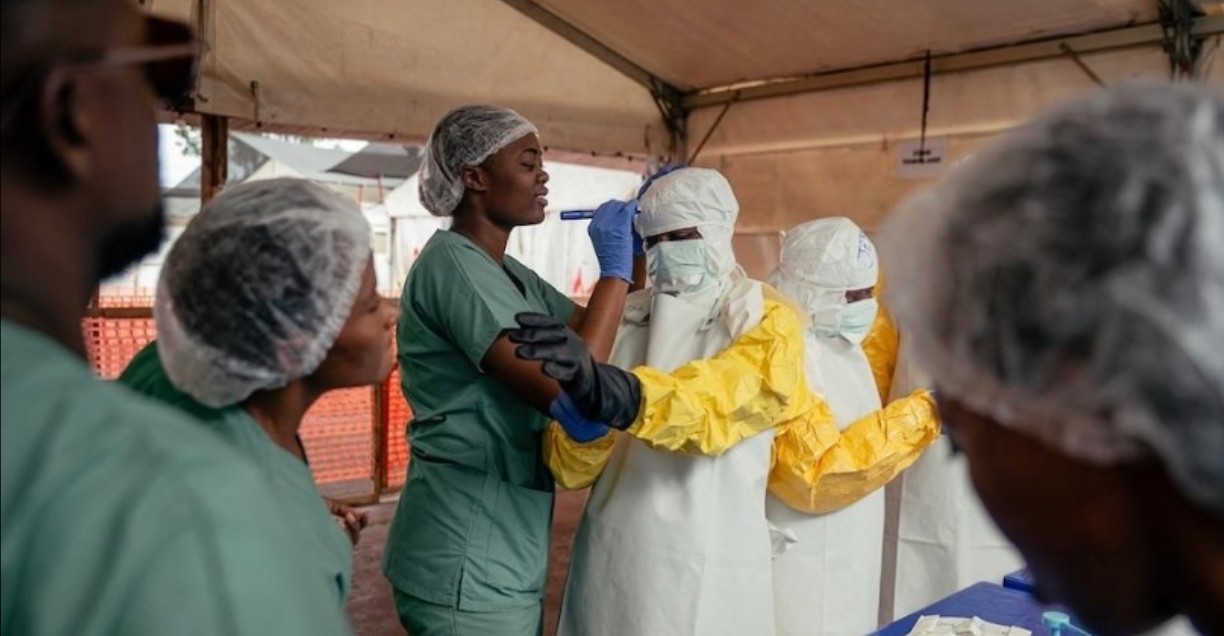
The Africa Centers for Disease Control and Prevention is backing the Democratic Republic of Congo’s efforts to urgently scale up its response to the fast-spreading Bundibugyo Ebola outbreak, as the country’s death toll has surpassed 2,000.
The Democratic Republic of Congo is facing one of the most severe Ebola emergencies in its history, with health authorities reporting 2,011 confirmed deaths and 4,381 confirmed cases as of August 11. The outbreak, caused by the Bundibugyo virus, has spread across five provinces and continues to put an enormous strain on an already fragile health system.
Africa CDC calls for faster implementation
The Africa CDC has reaffirmed its support for the immediate implementation of measures adopted by the Congolese government to contain the outbreak. The call follows a high-level joint mission with the World Health Organization to Uganda and the DRC on August 4 and 5.
The mission, led by Africa CDC Director-General Dr Jean Kaseya, WHO Director-General Dr Tedros Adhanom Ghebreyesus and WHO Regional Director for Africa Dr Mohamed Janabi, assessed the response in Kampala, Bunia and Kinshasa.
In Bunia, the epicenter of the outbreak in Ituri Province, the delegation met health authorities, frontline workers, community representatives and response partners. He also visited the Rwangole Ebola Treatment Center to assess the capacity to provide timely care.
Communities at the heart of the response
For Africa CDC, controlling the outbreak will depend heavily on community engagement. People need reliable information from trusted local voices so they can recognize symptoms, report suspected cases quickly and seek care without fear.
Community, religious, women’s and youth leaders are expected to play a key role in building trust and addressing resistance to response measures.
The approach comes as health authorities face evidence that transmission is occurring beyond known contact networks. The rapid spread of the virus has made traditional response mechanisms increasingly difficult to sustain.
No approved vaccine or treatment
The response is further complicated by the fact that there are currently no approved vaccines or specific treatments for Bundibugyo virus disease. WHO says this makes early detection, supportive care, infection prevention and community engagement particularly important.
WHO has also secured a US$3 million grant from Wellcome to strengthen the use of community-generated evidence in the response. The initiative will examine how people perceive the outbreak, seek healthcare and respond to public health measures, allowing response teams to adapt interventions to realities on the ground.
Regional vigilance remains essential
The outbreak has also raised concerns beyond the DRC. Uganda, which recorded 20 confirmed cases and two deaths, declared its outbreak over on July 28 after successfully completing follow-up of its known contacts. Africa CDC and WHO have nevertheless stressed that continued transmission in the DRC means neighboring countries must maintain surveillance, laboratory readiness and cross-border coordination.
As the death toll crosses the 2,000 mark, the pressure is now on the DRC and its
partners to translate emergency decisions into rapid action on the ground. For Africa CDC, bringing the response closer to affected communities, strengthening frontline capacity and breaking chains of transmission are critical to preventing an already devastating outbreak from escalating further.