Faced with the ravages of climate change in the North and Far North regions, the Cameroonian government and the FAO are launching an ambitious integrated landscape management project.
Faced with the repeated onslaught of climate change and the relentless degradation of their ecosystems, the northern regions of Cameroon are at a critical juncture in their environmental and socioeconomic history. Between recurring droughts, devastating floods, and increased human pressure, the agricultural and pastoral productivity of the North and Far North regions is dangerously compromised, directly threatening food security and the livelihoods of rural populations. It is to address this absolute emergency that the Cameroonian government, under the leadership of the Ministry of the Environment, Nature Protection, and Sustainable Development, has just launched a major strategic partnership with the Food and Agriculture Organization of the United Nations, formalized by the official launch in Yaoundé of an ambitious project for integrated landscape management and climate resilience.
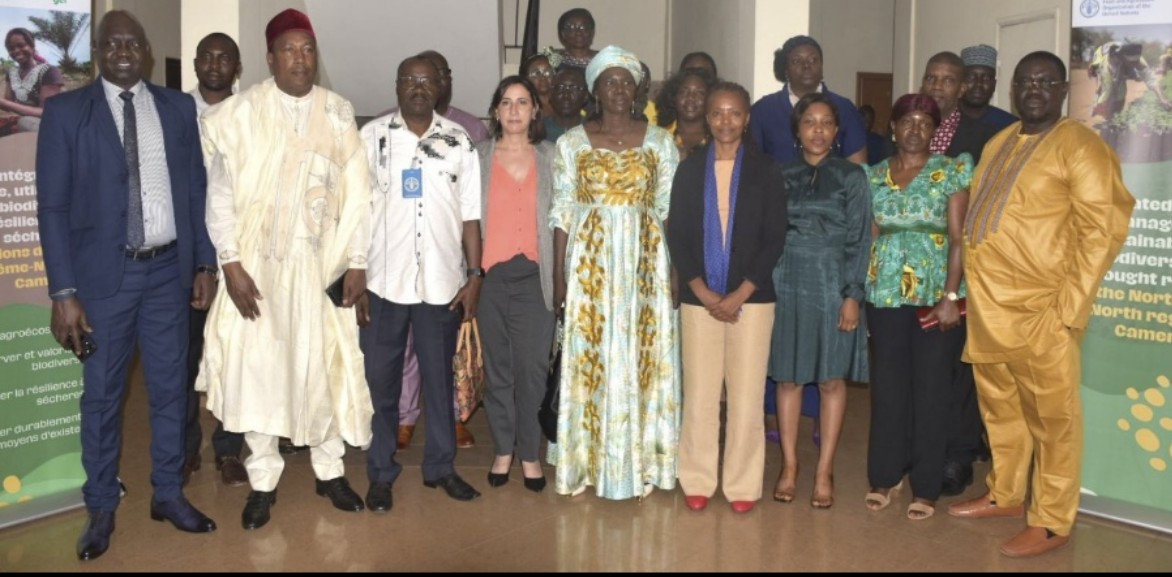
Funded by the Global Environment Facility, this new, transformative project aims to fundamentally alter the development trajectory of these vulnerable territories. During the kick-off workshop and stakeholder consultation held on July 23 and 24, 2026, the roadmap for the preparatory phase was meticulously reviewed by a panel of experts, local elected officials, representatives of civil society, and technical partners. The objective of this multidisciplinary consultation was twofold: to solidify the technical foundations of an intervention grounded in local realities and to rigorously align the project’s objectives with the country’s sovereign priorities. As Dr. Haman Unusa recalled on behalf of the ministerial supervision, this initiative is in line with the international commitments made by Cameroon, in particular through the AFR100 initiative which aims to restore no less than twelve million hectares of degraded land by 2030, while contributing to a thirty-five percent reduction in national greenhouse gas emissions.
At the heart of the strategy deployed, the analysis of the facts highlights a
comprehensive ecosystem approach that goes beyond simple forest restoration. Representing the FAO, Mr. Fidèle Kengni emphasized the imperative need to preserve the landscapes upon which the economic stability of communities depends. Specifically, the project will focus on the rehabilitation of depleted lands, the active conservation of local biodiversity, and the promotion of sustainable value chains centered on non-timber forest products and bamboo. Particular attention will also be paid to the most vulnerable segments of the population, especially women and youth, to boost their economic empowerment in the face of climate shocks. Furthermore, the systematic integration of environmental and social safeguards will ensure that every action undertaken strictly adheres to international sustainability requirements.
Ultimately, this inaugural workshop marks far more than a mere administrative step: it instills a dynamic partnership essential for reversing the trend of desertification in northern Cameroon. By combining cutting-edge analytical tools, innovative natural resource management techniques, and active listening to local stakeholders, the partnership between the government and the FAO is laying the groundwork for a more resilient future. The success of this preparatory process will be crucial for establishing a sustainable ecological and productive buffer, capable of providing lasting protection for the populations of the North and Far North against the vagaries of an increasingly unpredictable climate.