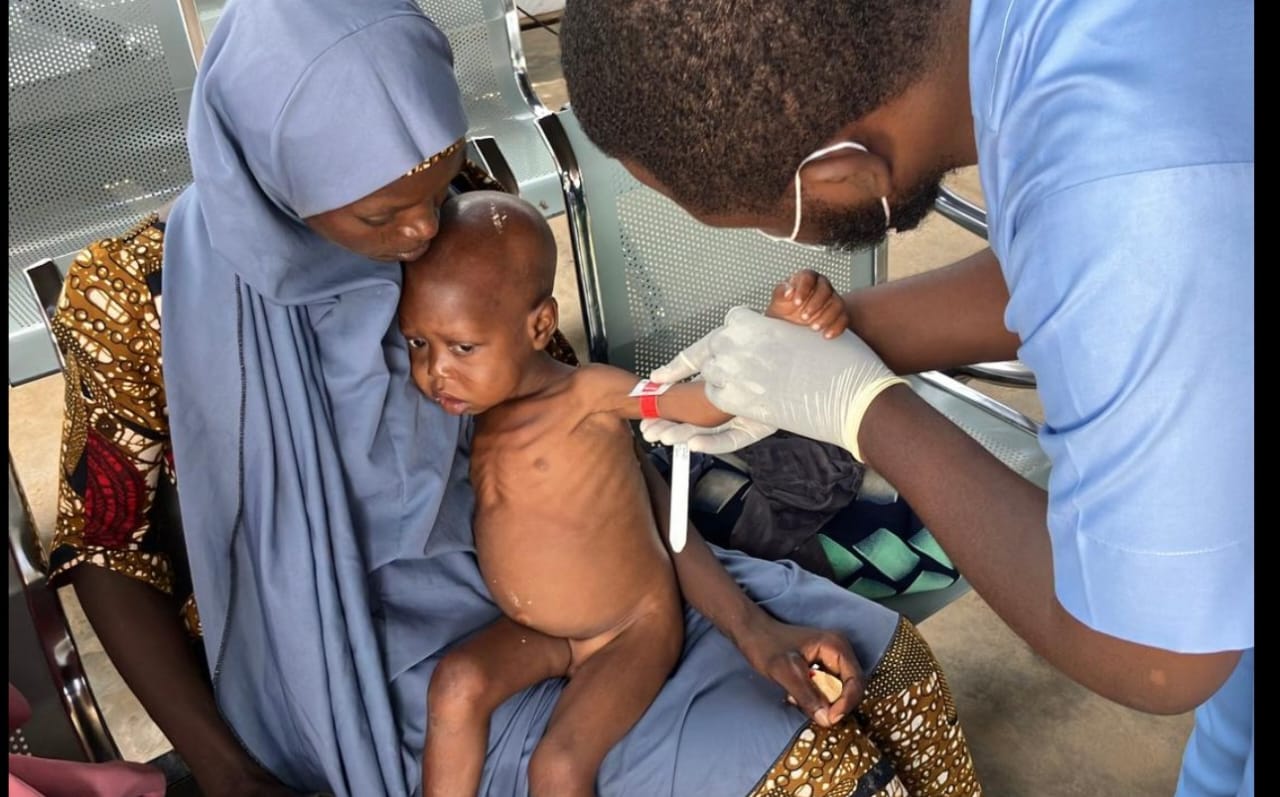
With 1.9% of children receiving care in the integrated management program for severe acute malnutrition, the Northern region is close to the emergency threshold set at 2%.
The nutritional situation of children in the Northern region calls for increased vigilance. According to available data, 1.9% of children in the region are enrolled in the integrated management program for severe acute malnutrition. This rate is dangerously close to the 2% threshold, which is considered an emergency zone by public nutrition authorities. At this level, the region is currently classified as an alert zone.
Behind this figure lies a worrying reality for many families. Severe acute malnutrition, characterized by significant weight loss in children, is not solely linked to the quantity of food available. It is also strongly influenced by the quality of food, household economic conditions, access to healthcare, and dietary practices.
In the northern region, poverty and precarious living conditions are significant factors of vulnerability. For many households, available income is not always sufficient to guarantee children a sufficiently diverse and balanced diet. In families facing unemployment, underemployment, or irregular income, food choices are
often dictated by financial means rather than the child’s nutritional needs.
Of the 15 health districts in the North region, Garoua 1 and Garoua 2 appear to be the most affected by severe acute malnutrition. These two districts, located in the regional capital, have a large urban population facing economic hardship. This situation may seem paradoxical. In rural areas, some families still have agricultural means that allow them to produce some of the food consumed within their households. Food crops, livestock farming, and seasonal agricultural activities can contribute to ensuring a minimum food supply.
In urban centers, particularly in the city of Garoua, the situation is different. Access to food depends more on purchasing power. Households must buy most of the food products necessary for daily consumption. When income is insufficient or irregular, families may be forced to reduce the quantity or variety of food offered to children. The consequence is sometimes directly impacting nutritional balance.
The rise in malnutrition cannot be separated from household living conditions. In a region where a significant portion of the population depends on informal or seasonal work, incomes can fluctuate considerably. A family that manages to feed itself adequately for a given period may find itself in difficulty a few weeks or months later.