
Some women continue to discard colostrum after giving birth. This practice, strongly linked to cultural beliefs, deprives newborns of a precious fluid with numerous benefits.
In the first few hours after childbirth, a thick, yellowish fluid appears in the mother’s breasts. It doesn’t resemble the breast milk we usually know. This is colostrum, the first milk produced by a woman after giving birth. In some northern communities, however, this fluid is still viewed with suspicion. Its color and unusual appearance fuel beliefs that lead some mothers to reject it.
In rural areas in particular, this practice remains deeply ingrained. For some families, colostrum is considered « dirty » milk or unsuitable for a newborn. Therefore, it must be disposed of before breastfeeding can truly begin. However, according to healthcare professionals, this practice should be discouraged.
Behind this practice lie primarily cultural considerations. In many families, older people, especially grandmothers, play a significant role in decisions regarding newborn care. Drawing on their experience and influence over new mothers, some continue to pass on practices inherited from generations. Thus, after childbirth, it is not uncommon for some women to be asked to express colostrum from their breasts. The fluid is then discarded before the baby is put to the breast.
For these families, this attitude may be perceived as a precaution intended to protect the child. But scientific knowledge reveals a very different reality. Colostrum is neither impure milk nor a liquid that should be washed away from the breasts. On the contrary, it is a food particularly well-suited to the needs of the newborn during the first days of life. The difficulty, therefore, lies less in a lack of information than in the weight of beliefs and family influence. A mother may have received the correct information from healthcare professionals, but once home, find herself confronted with advice from a grandmother, mother-in-law, or other family members.
In healthcare facilities, prenatal consultations provide ideal opportunities to explain these best practices to expectant mothers. Healthcare workers emphasize the importance of early breastfeeding and the role of colostrum in protecting the newborn. Despite these reminders, the practice persists. The numerous awareness sessions organized in healthcare facilities are not always enough to change behaviors. Once discharged from the hospital or health center, some women return to their families, where old habits continue to exert a strong influence. This situation highlights the limitations of awareness campaigns that primarily target pregnant women and new mothers. The choice to breastfeed properly does not always depend solely on the mother’s wishes. In some families, several people are involved in decisions concerning the infant’s feeding and care.
Given the persistence of this phenomenon, healthcare professionals and those
responsible for nutrition and maternal health programs are urged to strengthen community-based initiatives. Messages about colostrum should not be delivered solely in health centers when pregnant women come for consultations. Regular outreach to neighborhoods and villages would allow for direct contact with families. These activities could bring together women, but also men, grandmothers, mothers-in-law, and all those who play a role in family decisions.
Interview : « The consequences are numerous. »
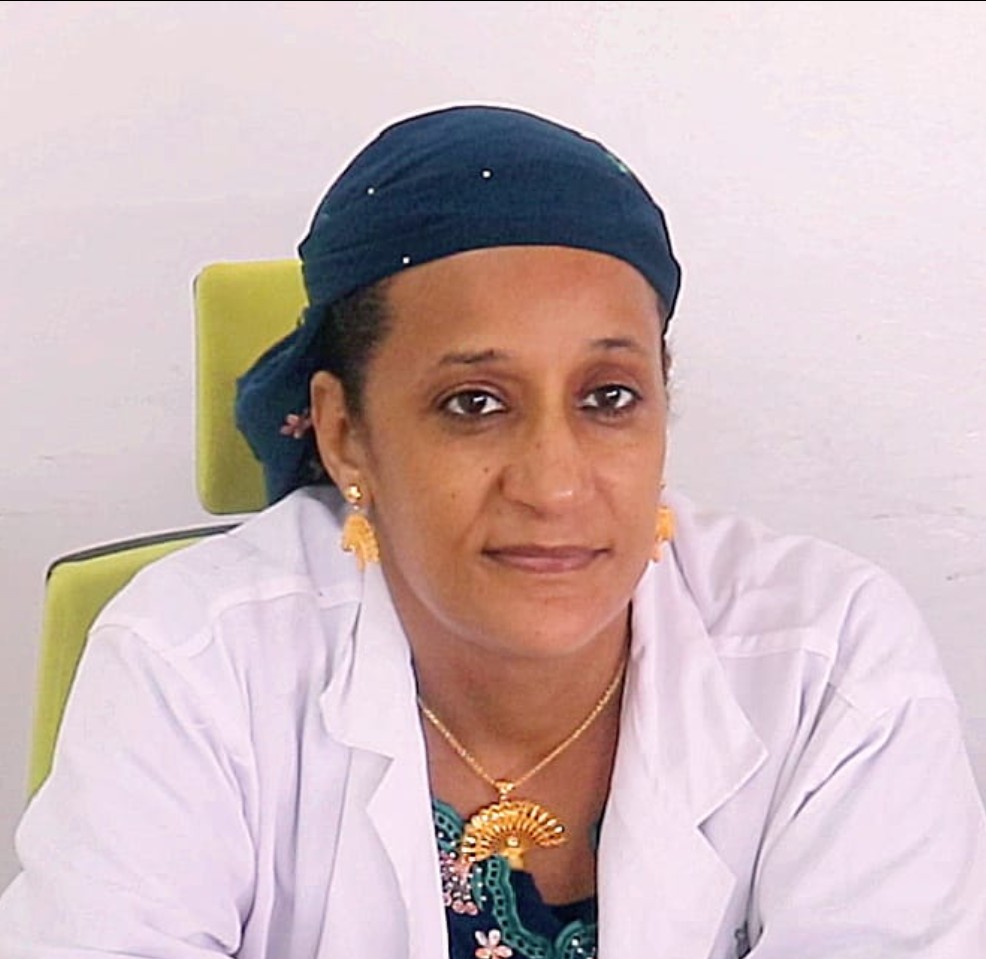
Doctor, for the past two weeks, breastfeeding has been the focus of discussions on maternal and infant health. Today, we want to emphasize colostrum. What exactly is it?
So, colostrum is the first milk secreted by the mother in the 2 to 4 days following birth. It’s a nutritious milk because it’s very rich in protein and it also aids the newborn’s digestion. It has a laxative effect, especially for the newborn’s first bowel movement. It also plays another role; it is involved in immunity. We commonly call it the first vaccine for newborns because it is rich in antibodies, including immunoglobulins that can protect the newborn.
In the north, some mothers remain reluctant to give colostrum to their newborns. What explains this reluctance?
Generally, it is the grandmothers of young girls who have just given birth who consider it to be dirty milk. Given its color, no doubt. They consider it dirty, that it should be thrown away and that they should wait for the mature milk, which has a white color. So, what could explain this reluctance is a lack of knowledge or even ignorance, if we can put it that way.
What impact might this misconception about colostrum have on the health and development of the newborn?
The consequences are multiple because, firstly, we said that it is the first milk to be secreted in the 2 to 4 days following birth. This means that if we discard it, we expose the newborn to a high risk of hypoglycemia, especially for larger babies, whom we call macrosomic. Because if we discard this milk, we deprive them of the essential nutrients that can trigger hypoglycemia in newborns. Secondly, we’ve already stated that this milk aids digestion. So, it plays a laxative role, particularly in the passage of the first stools. Therefore, there may be a delay in the passage of meconium. Meconium is the first stool of the newborn. And the longer the delay in meconium passage, the greater the newborn’s risk of developing what’s called neonatal nephritis. The third consequence is that it also exposes the newborn to infections. Because, as we’ve said, colostrum’s unique characteristic is that it’s rich in immunoglobulins, including antibodies. It plays the role of the first vaccine in newborns.
You are regularly in contact with mothers and newborns. What solutions do you recommend to better raise awareness in communities about the importance of colostrum?
The solution in our context is already to communicate, and also to build. And what we’re doing, not only at the fair or during Q&A sessions, but also every time these mothers come to see us for a consultation, or if they come to the vaccination clinics, is trying to raise awareness, educate, and communicate about the importance of this milk. And it’s important to mention that this work is also done upstream during prenatal consultations, in the prenatal clinics, to explain and educate expectant mothers about the importance of colostrum. But also early breastfeeding in the delivery room, because increasingly, with training, this practice is being encouraged. So, as soon as a woman gives birth, she is given her baby, and within 30 minutes, early breastfeeding is encouraged. This is also intended to educate the community, as well as the mothers themselves.