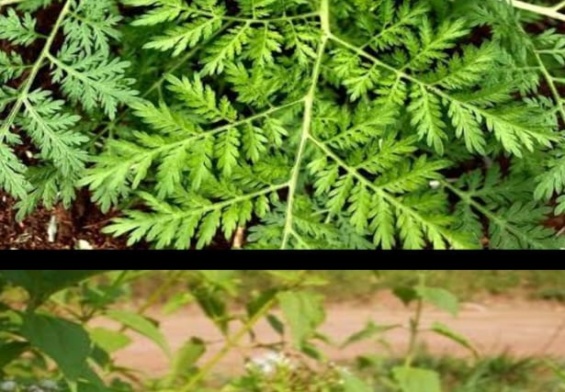
Thanks to their high tannin content, they help to tighten tissues and calm diarrhea.
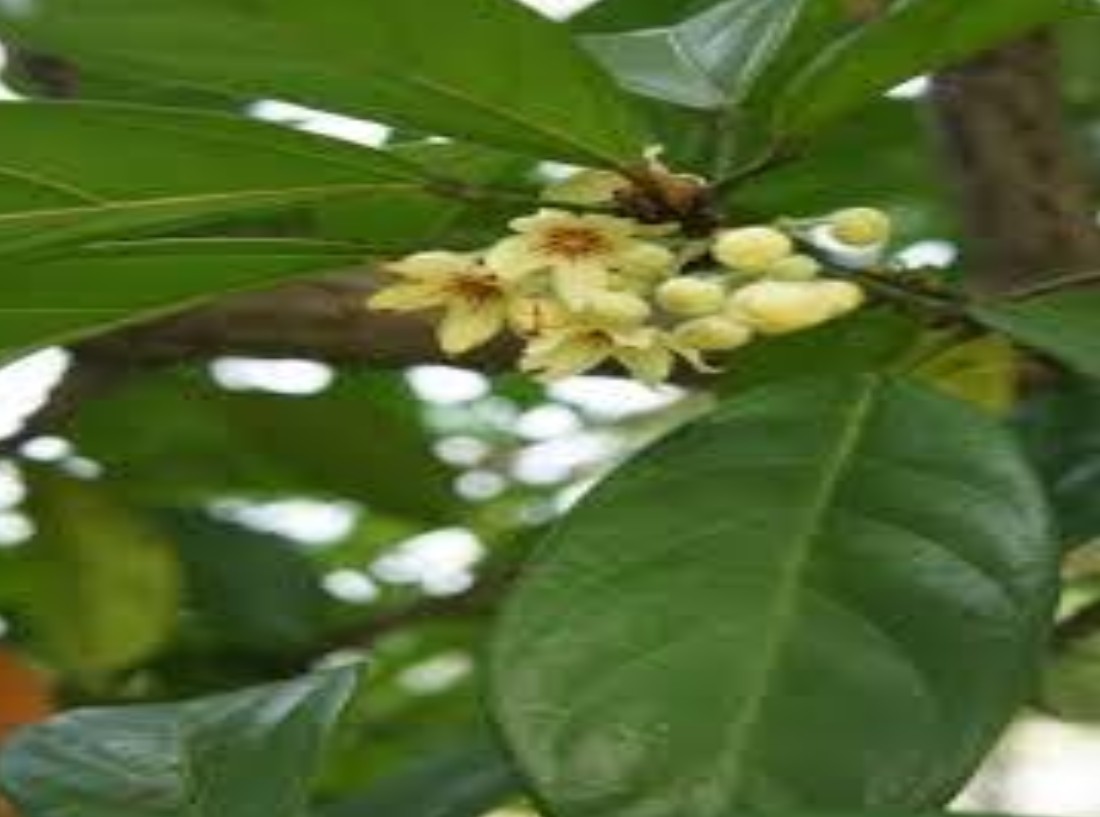
The kola tree, scientifically known as *Cola acuminata*, is a tree belonging to the Sterculiaceae or Malvaceae family, native to tropical Africa. Known for its fruit, particularly the kola nut, which has a bitter taste, it is highly valued in tropical Africa for its stimulating properties and symbolic significance. However, beyond its fruit, theThe leaves of the kola tree are a therapeutic goldmine.
A wealth of therapeutic resources to rediscover
In the form of large, oval, and tough structures, in traditional medicine they have been used for their numerous therapeutic virtues for thousands of years.
They are primarily used to treat mild acute diarrhea of non-infectious origin.(due to a chill or a temporary eating disorder) and, in some cases, thedysenteric formsThis effectiveness is partly due to the high concentration of the leaves intannins.Natural compounds with powerful astringent properties that tighten intestinal mucous membranes, reduce fluid secretion and slow transit to quickly stop loose stools.
An excellent antimalarial
Kola leaves are also used as a fever reducer to lower fevers associated with malaria attacks.,as well as thefevers of digestive originsuch as those caused by typhoid fever or severe gastroenteritis. They are rich in phenolic compounds and flavonoids with natural antiparasitic and antimicrobial properties, which help the body fight pathogens (such as parasites).Plasmodiumor the bacteriaSalmonella typhi)responsible for the temperature spikes, as explained by Armand, a naturopath:Decoctions of the leaves are used to help reduce fever..
Precautions for use
While kola leaves are natural, their use requires caution, as with any natural remedy. Indeed, these decoctions should be used as a common remedy for relieving fever and colds, as malaria and typhoid fever remain potentially fatal infections that absolutely require prompt medical diagnosis and the administration of conventional treatments (antimalarials or antibiotics). Furthermore, this decoction also possesses antimicrobial properties useful against minor infections. Experts recommend consulting a specialist before any use. In addition, this traditional treatment should not replace medical consultation if diarrhea persists for more than 48 hours and is accompanied by a high fever, blood in the stool, or signs of severe dehydration.
In conclusion, kola leaves are a veritable natural pharmacy. Learning to rediscover them is an excellent way to reconnect with ancestral traditions and values. So don’t hesitate to ask for advice, and enjoy the wonders that nature offers us.