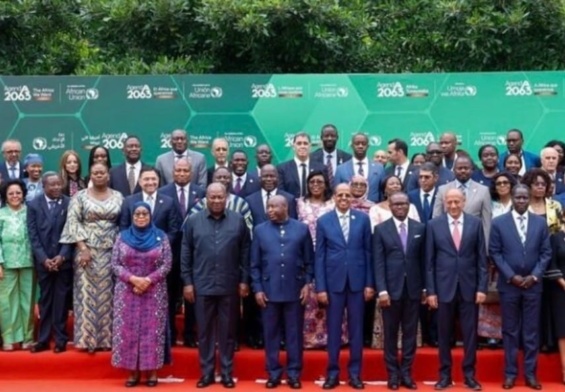
Health ministers and senior officials from across Africawill meetin Addis Ababafrom August 25 to 28, 2026to discuss the continent’s most pressing health challenges and agree on strategies for the next decade, from health financing and workforce development to epidemic preparedness and access to medicines.
Health ministers and senior officials from across Africa are gathering in Addis Ababa this week for a high-level meeting aimed at shaping the continent’s health agenda for the coming years. The 76th Session of the WHO Regional Committee for Africa, scheduled for August 25 to 28, brings together representatives from all 47 Member States of the WHO African Region.
The meeting comes at a critical moment for African health systems, which continue to face infectious disease outbreaks, shortages of health workers, limited financing and unequal access to essential medicines and services. Beyond reviewing ongoing programs, ministers are expected to endorse new regional strategies designed to strengthen the capacity of countries to prevent disease, respond to emergencies and provide more accessible healthcare.
One of the major issues on the agenda is Africa’shealth workforce. The proposed Africa Health Workforce Agenda 2026–2035 seeks to improve the planning, training and retention of health professionals, an issue that remains central to the resilience of national health systems.
Health financing will also occupy a prominent place in discussions. WHO has placed a Strategy for Financing the Future of Health in the African Region, 2026–2035 among the key documents for consideration. The strategy comes as governments face growing pressure to increase domestic investment in health while navigating uncertainty in external financing.
The question of access to medicines and other health products is another priority. Ministers are expected to consider a regional strategy on the regulation of medical products, with the broader objective of strengthening regulatory systems and ensuring that people have access to safe, effective and quality-assured health products.
Emergency preparedness is equally high on the agenda. The meeting will examine a regional framework for emergency medical teams covering 2026–2030, as well as the implementation of amendments to the International Health Regulations. These discussions are intended to reinforce the continent’sability to detect, prepare for and respond to public health emergencies.
The ongoing Ebola outbreak caused by the Bundibugyo virus is also specifically listed for discussion, underlining the immediate relevance of epidemic preparedness and regional coordination.
Other priorities include early childhood development, polio transition and sustainability, and the broader effort to expand universal health coverage without
exposing households to financial hardship. WHO says the session will provide a platform for Member States to review progress, adopt policies and strategies and determine the strategic direction of health action across the region.
The Addis Ababa meeting also reflects a wider push for greater African ownership of health systems. In recent days, regional leaders and health-sector stakeholders have called for stronger investment in local production, sustainable health financing, regional integration and the development of Africa’s health workforce.
For African governments, the challenge will therefore go beyond adopting new strategies. The real test will be translating these commitments into national action, sustained financing and stronger health services capable of responding to both longstanding health burdens and emerging threats.
The outcomes of the Addis Ababa meeting are expected to help define the priorities that will guide health policy across the WHO African Region over the next decade.