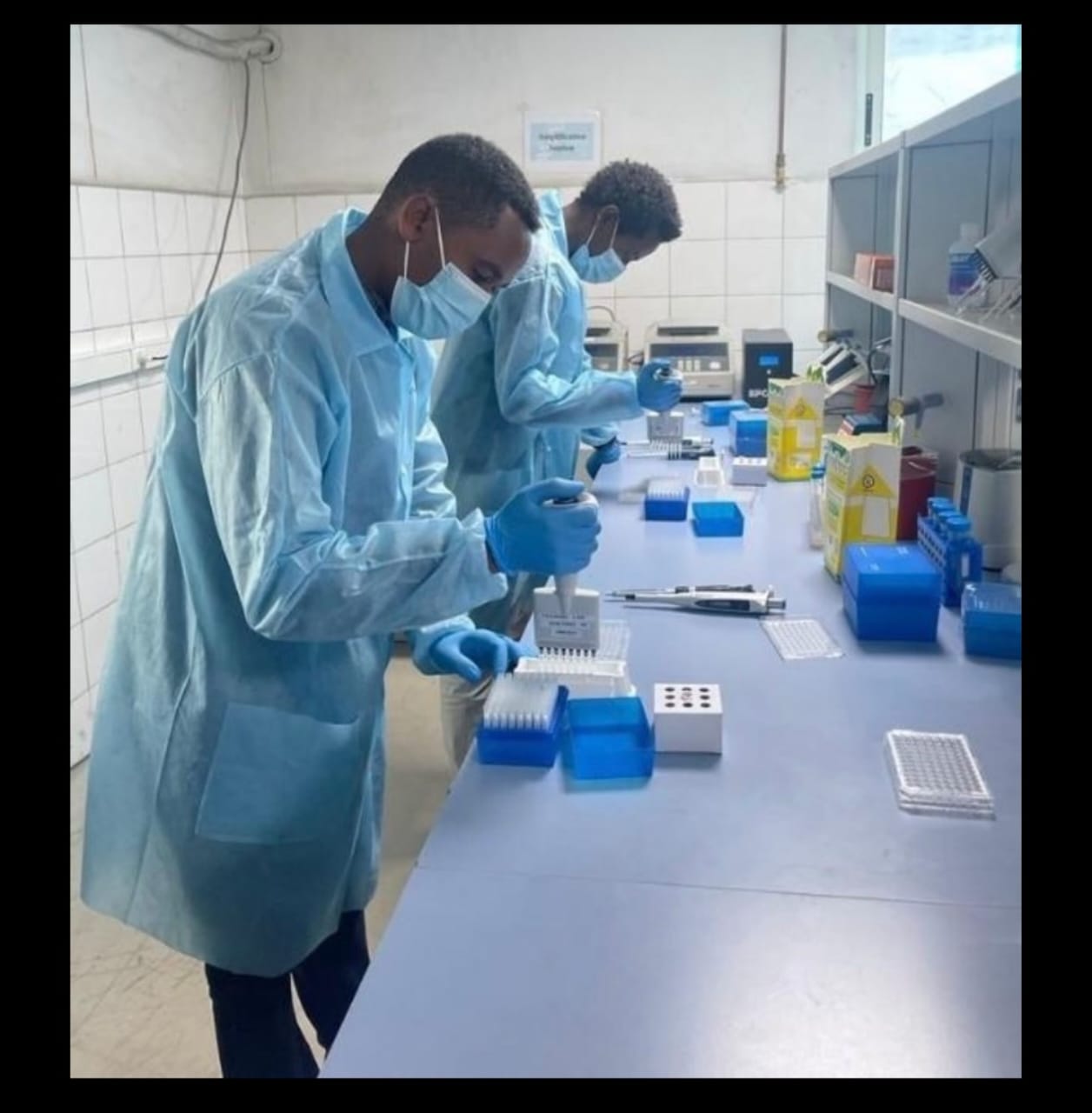
Ethiopia is strengthening its laboratory network to detect infectious disease threats earlier and improve its ability to respond to outbreaks. Since 2024, 27 laboratories have been established or upgraded, while more than 1,470 professionals from the human and animal health sectors have been trained in diagnostics, genomics, bioinformatics, biosafety and quality assurance.
The World Health Organization (WHO), in an update published on September 30, said the country had expanded its diagnostic and surveillance capacities, including through the creation of eight new microbiology laboratories for sentinel surveillance.
Faster diagnosis, stronger monitoring
Laboratories are a critical link between the detection of a suspected disease and the public health response. Confirming which pathogen is circulating allows health authorities to assess the threat and determine the measures required.
Ethiopia has strengthened molecular testing in eight priority laboratories and expanded its
antimicrobial resistance surveillance network. The number of laboratories involved increased from 26 in 2023 to 41, with 15 public facilities in 14 regions now serving as sentinel sites.
The country is also working to improve how laboratory information is transmitted and used. According to WHO, strengthened laboratory information systems have contributed to a 90 per cent reduction in data transmission errors.
The effort therefore goes beyond providing equipment. It seeks to ensure that samples reach laboratories, results are produced accurately and information reaches surveillance teams quickly enough to guide decisions.
Lessons from Marburg
The importance of these capacities became particularly visible during Ethiopia’s first recorded Marburg virus disease outbreak in late 2025. The outbreak was declared over on January 26, 2026, after 42 days without a new confirmed case.
During the response, laboratory diagnosis and surveillance capacities were mobilized, while the Ethiopian Public Health Institute benefited from support to strengthen molecular diagnostics and genomic sequencing.
The outbreak also highlighted the value of developing diagnostic capacities before an emergency occurs. When a new pathogen emerges, the ability to identify it rapidly can influence how quickly health authorities can investigate cases, trace transmission and deploy control measures.
A One Health network
Ethiopia’s laboratory strategy also covers animal health, reflecting a One Health approach to epidemic preparedness. This is particularly important for zoonotic diseases, which can spread between animals and humans.
Sample transportation has also been strengthened. In 2025, 267 health facilities across seven regions had access to vehicles for transporting specimens to laboratories. Nearly 1,000 samples linked to priority diseases, including mpox, cholera and Marburg disease, were transported through the system.
More than 430 human health laboratories and 20 animal health laboratories have received equipment, while nearly 220 laboratories were assessed in 2025 to identify capacity gaps.
Building an early warning system
The Ethiopian experience illustrates how laboratory systems can become an essential component of epidemic preparedness. Early warning does not depend solely on identifying unusual cases. It also requires the ability to confirm them rapidly and turn laboratory results into actionable surveillance information.
By expanding diagnostic capacity, improving sample transportation, strengthening data systems and linking human and animal health surveillance, Ethiopia is building a network designed not only to confirm diseases, but also to support earlier detection and faster response to emerging health threats.