
High blood pressure can silently damage the body for years without causing noticeable symptoms. A person may continue working, carrying out household chores and going about daily activities while their blood pressure remains dangerously high. This is why feeling healthy is not enough to know whether your blood pressure is under control.
Hypertension, also known as high blood pressure, occurs when the force of blood against the walls of the arteries remains consistently too high. Over time, this pressure strains the heart and damages blood vessels, increasing the risk of heart disease, stroke, kidney damage and other serious complications. Yet many people only discover they have the condition during a routine medical consultation or after developing a complication.
Why symptoms can be misleading
Unlike illnesses that cause immediate discomfort, hypertension often develops without warning signs. Some people may experience headaches, dizziness or blurred vision, but these symptoms are neither reliable indicators of high blood pressure nor proof that hypertension is present. Waiting until the body sends a signal before seeking a blood pressure check can therefore delay diagnosis and treatment.
Regular monitoring is particularly important for adults with a family history of hypertension, people who are overweight, those who consume too much salt, smokers and individuals who are physically inactive. However, anyone can develop high blood pressure, regardless of age or apparent physical fitness.
How to measure your blood pressure correctly
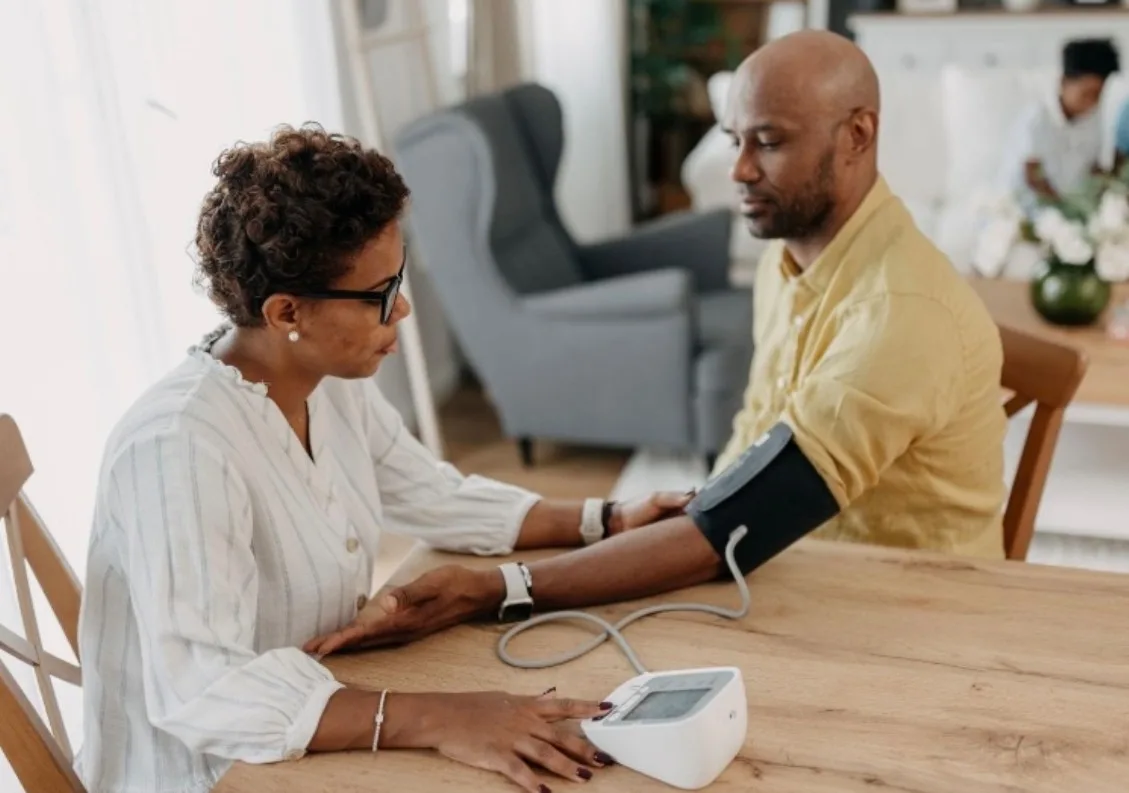
Checking blood pressure is a simple step that can help detect a problem early. Measurements can be taken at a health facility or at home using a validated automatic upper-arm monitor with the correct cuff size.
For a more reliable reading, avoid smoking, drinking coffee or exercising for at least 30 minutes beforehand. Empty your bladder, then sit quietly for five minutes. Keep your back supported, your feet flat on the floor and your legs uncrossed. Place your bare arm on a table at heart level and avoid talking during the measurement.
Take two readings, about one minute apart, and record the results. Repeated measurements can help identify a pattern more accurately than a single reading. If your readings are consistently high, consult a health professional for assessment. A reading of 140/90 mmHg or above in a clinical setting generally indicates hypertension, although diagnosis depends on proper assessment and applicable clinical guidelines.
Feeling better is not a reason to stop treatment
For people already diagnosed with hypertension, one of the most important rules is to take prescribed medication as directed, even when they feel perfectly well. Treatment may lower blood pressure enough to prevent symptoms, but this does not necessarily mean the condition has disappeared.
Stopping medication suddenly, reducing the dose or changing the treatment without medical advice can allow blood pressure to rise again, sometimes without any noticeable warning. Anyone experiencing side effects or struggling to afford medication should discuss the problem with a health professional rather than abandoning treatment.
Small habits, lasting protection
Reducing salt intake, eating more fruits and vegetables, exercising regularly, maintaining a healthy weight, limiting alcohol and avoiding tobacco can help control blood pressure. These measures complement medical treatment when medication is needed; they do not automatically replace it.
A blood pressure check should not be reserved for moments of illness. Knowing your numbers, keeping track of your readings and attending medical appointments are practical ways to protect your heart and kidneys. With hypertension, the absence of symptoms is not proof of good health. Sometimes, the most important warning is the one you cannot feel.