
Pneumonia is an infection that inflames the lungs and can make breathing difficult. It affects all ages, but young children, older adults and people with weakened immunity face greater risk of severe illness. On World Pneumonia Day, observed on 12 November, families are urged to recognise warning signs and seek care early.
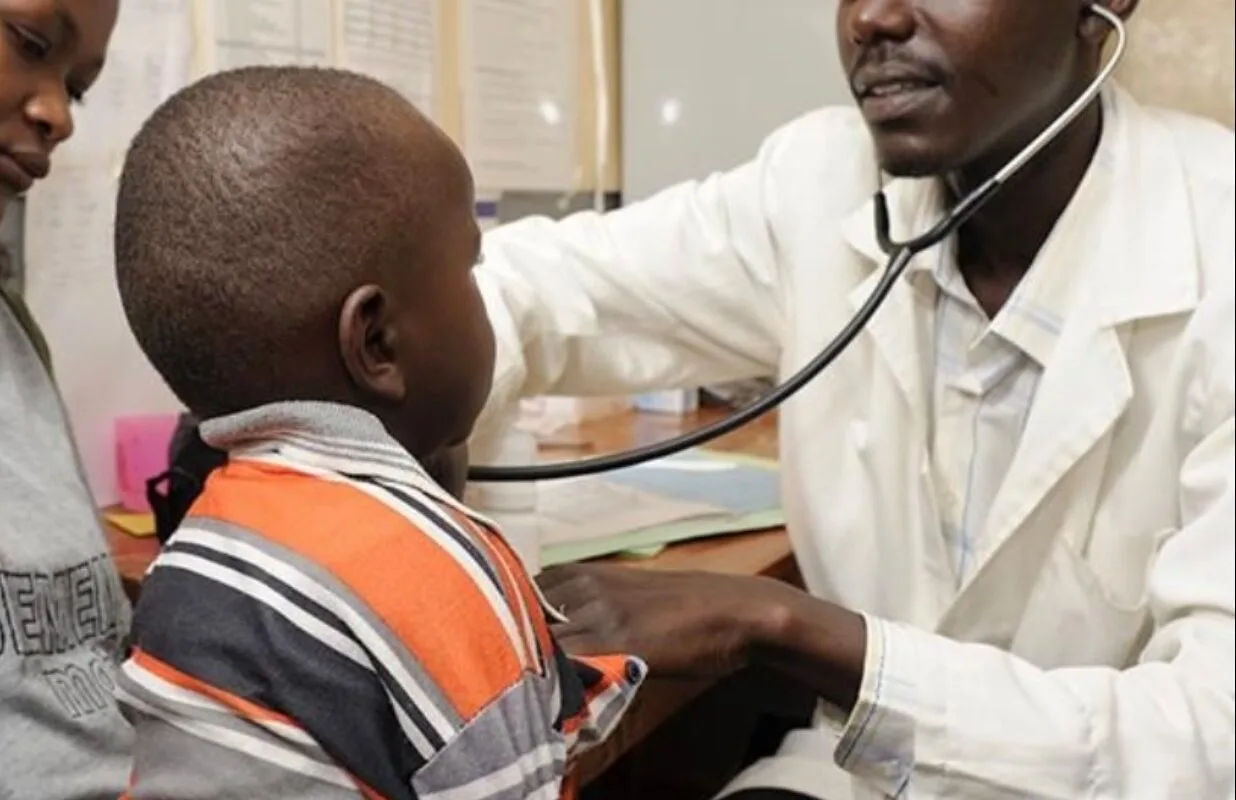
In children, unusually fast breathing and chest indrawing are important warning signs that require immediate medical attention.
More than a common cold
A cold usually causes a runny or blocked nose, sneezing and a mild cough. Flu often begins suddenly, with fever, body aches, headache and fatigue. Pneumonia may cause cough, fever or chills, chest pain and shortness of breath. Some people cough up mucus, but not everyone does. Symptoms overlap, so a health professional must assess the patient.
In children, warning signs include unusually fast breathing and the lower chest pulling inwards with each breath. Grunting, struggling to breathe or being unable to breastfeed or drink require urgent attention. Unusual sleepiness, loss of consciousness, convulsions or blue lips are emergencies.
Risks inside the home
Pneumonia can be caused by bacteria, viruses or, less commonly, fungi. Some infections spread through respiratory droplets and contaminated hands or surfaces. Smoke from firewood, charcoal and other polluting fuels increases the risk of respiratory illness. Cooking in a poorly ventilated room exposes the household to harmful particles.
Where possible, cook outdoors or in a well-ventilated space, keep children away from cooking smoke and use cleaner fuels or improved stoves. Avoid smoking indoors.
Everyday prevention matters
Wash hands with soap and clean water, cover coughs and sneezes with a tissue or bent elbow, dispose of tissues safely and ventilate rooms. Clean frequently touched surfaces and limit close contact with sick people. Breastfeeding and a balanced diet support children’s health, but cannot replace vaccination or medical care.
Vaccines protect against infections that can cause pneumonia, including pneumococcal disease, measles, influenza and whooping cough. Keep routine immunisations up to date and ask a health worker which vaccines are recommended for each age group.
Do not wait or self-medicate
Do not take antibiotics without a prescription or use leftover medicines. Antibiotics treat bacterial infections, not viruses. The wrong medicine or dose can delay treatment and contribute to antimicrobial resistance. Do not give children cough or cold medicines without advice from a health professional.
Seek medical care promptly when cough comes with fever, chest pain or fast breathing, or when symptoms worsen. Go to a health facility immediately for severe breathing difficulty, chest indrawing in a child, inability to drink or breastfeed, unusual drowsiness, blue lips or convulsions. Early assessment and appropriate treatment can prevent complications. When breathing is affected, waiting is not safe.