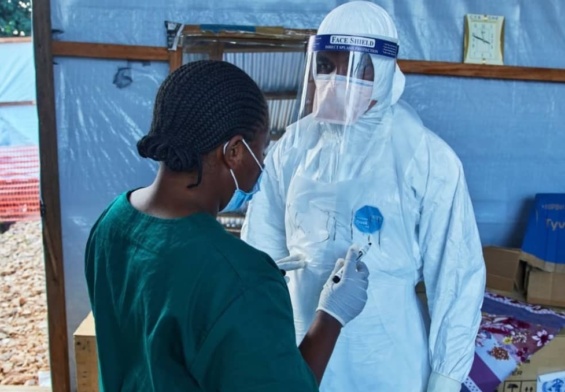
Thirty days after declaring its 17th Ebola outbreak, the Democratic Republic of the Congo is grappling with a rising caseload, persistent community resistance and surveillance challenges. While health authorities report more than 50 recoveries and expanded response efforts, the virus continues to spread across eastern provinces, with Ituri remaining the epicenter.
One month after the declaration of its 17th Ebola outbreak, the Democratic Republic of the Congo reports 808 confirmed cases and 192 deaths as health authorities intensify response efforts amid community resistance and expanding surveillance across eastern provinces.
One month after officially declaring its 17th Ebola outbreak, the Democratic Republic of the Congo (DRC) has recorded 808 confirmed cases and 192 deaths,
while health authorities continue to battle community resistance and logistical challenges that threaten to undermine response efforts.
Speaking during a joint press briefing on June 15 alongside government spokesperson Patrick Muyaya, Health Minister Samuel Roger Kamba provided an update on the epidemiological situation, highlighting both progress and persistent obstacles in the fight against the virus.
The outbreak was officially declared on May 15, 2026, after cases were identified in three health zones of Ituri Province: Bunia, Rwampara and Mungwalu. According to the minister, Mungwalu remains the epicenter and most critical hotspot of the epidemic.
“As of yesterday, we have 808 confirmed cases and 192 deaths,” Kamba said. “We also have 363 people in isolation because they are either confirmed or suspected cases.”
Despite the growing number of infections, health authorities point to a rising number of recoveries as evidence that early treatment can save lives. More than 50 patients have now recovered from Ebola after receiving care in specialized treatment centers.
The outbreak has expanded to 31 health zones across three eastern provinces: Ituri, North Kivu and South Kivu. However, Ituri continues to account for the vast majority of cases, while the neighboring provinces remain comparatively less affected.
One of the biggest challenges facing the response remains community resistance. Health officials say misinformation and mistrust continue to discourage some people from seeking medical care or cooperating with surveillance teams.
Kamba urged communities to recognize Ebola as a real and dangerous viral disease rather than a mystical or fabricated illness. He stressed that patients who seek treatment early have a significantly higher chance of survival.
According to the minister, the current case fatality rate stands at approximately 23 percent, meaning that nearly four out of five patients can recover when they receive prompt medical attention.
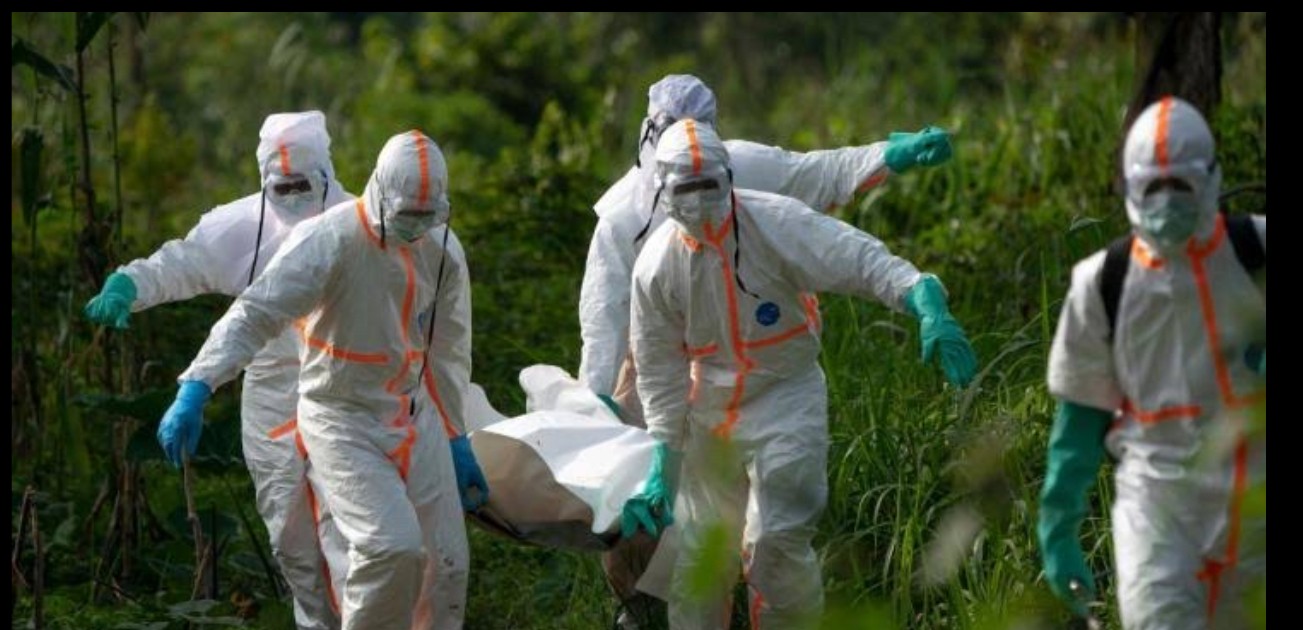
Traditional burial practices also continue to fuel transmission. Health authorities have called on customary leaders in Ituri to support safe and dignified burial procedures, warning that direct contact with infected bodies remains one of the most significant drivers of infection.
Another major concern is the monitoring of contacts. The current follow-up rate is only 63 percent, well below the government’s target of 95 percent. To strengthen surveillance, authorities have trained 1,200 community health volunteers and deployed 1,000 of them to conduct door-to-door monitoring and identify suspected cases.
Although challenges persist, Kamba said the response is making progress, with improved case detection and expanded community outreach.
The outbreak gained international attention on May 17, when the World Health Organization classified the Bundibugyo Ebola outbreak spreading between the DRC and Uganda as a Public Health Emergency of International Concern. The WHO has warned that the true scale of the epidemic may be underestimated due to population movements, insecurity and limited healthcare access in affected areas.
Despite the absence of a licensed vaccine or specific treatment for the Bundibugyo strain, Congolese authorities remain confident that lessons learned from the country’s previous Ebola outbreaks will help bring the epidemic under control.