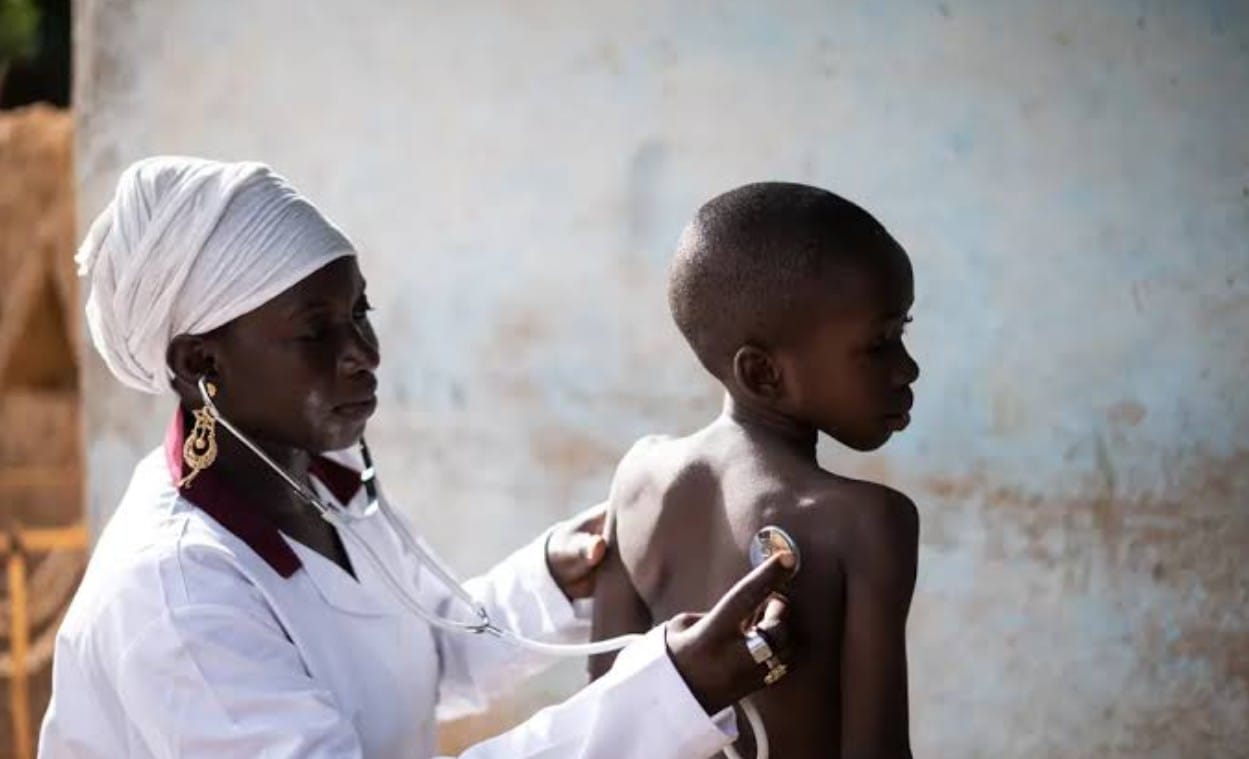
A cardiovascular and thoracic surgery campaign organized by the Ngaoundéré Regional Hospital has revealed numerous cases of congenital cardiovascular disease in infants. This situation highlights the need for greater awareness regarding regular check-ups for both children and parents.
The Adamawa region has long struggled with the management of cardiovascular diseases. The prolonged absence of a cardiovascular and thoracic surgeon has contributed to delayed diagnoses and avoidable complications. The posting of Dr. Yanick Yepmo Nana to the Ngaoundéré Regional Hospital Center (CHR) already represents a step toward a solution. On the ground, the specialist is actively conducting campaigns to raise public awareness about the consequences of these diseases, which can sometimes be silent.
According to him, the picture has been striking since his arrival. Many children show clinical signs consistent with congenital heart disease or acquired heart conditions, but very few receive a formal diagnosis. He asserts that this lack of specialized resources contributes to the chronic nature of these conditions, the worsening of symptoms, and, in some cases, tragic outcomes that could be avoided if the disease were diagnosed in time.
These symptoms often go unrecognized by families and primary-care health professionals. They mostly include recurrent flu in children and growth failure. In the absence of echocardiographic testing and multidisciplinary follow-up, these signs are sometimes attributed to more common conditions, thereby delaying the referral of children to appropriate care facilities.
To address this need, the Ngaoundéré Regional Hospital, under the leadership of Dr. Yanick Yepmo Nana and with the support of hospital management, has begun to strengthen early detection efforts. This includes the campaign he launched, which will run through August 1. Since the campaign began, many people have already been screened.
The Importance of Continuing training
To ensure better follow-up, the specialist is planning training sessions for primary care health professionals. The goal is to detect these conditions early so that treatment can begin. These training sessions will also be extended to general practitioners and nurses to improve clinical screening and referral. The challenges are both biomedical and social. Early intervention reduces mortality and disability, eases the economic burden on families, and improves school attendance among affected children.
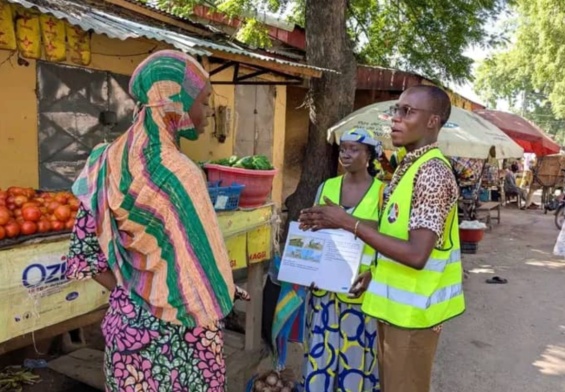
To reach the most remote segments of the population in the hinterland, the administration of the Ngaoundéré Regional Hospital intends to step up community outreach efforts in order to reach these communities and encourage them to make regular check-ups a habit.
Interview
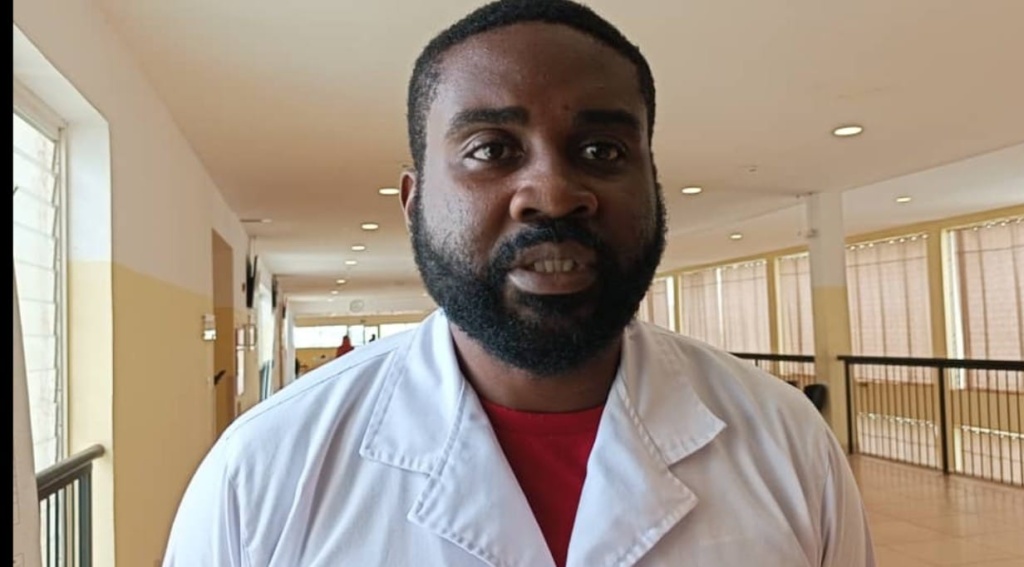
So what should we eat, given that most people today consume imported foods and such? What should we eat to avoid these cardiovascular diseases?
Diet is very important I mean; we need to follow a diet that keeps our blood vessels healthy. There are certain things we need to cut back on. That means reducing, for
example, salt and sugar, because sugar itself is bad for the kidneys. So, we need to cut back on oil. And also, we need to reduce our consumption of dairy products things like cake, bread, milk, and so on. These are things we need to cut back on as much as possible. Now, the same goes for processed foods. There are certain foods that can cause cancer. So, these are things you need to cut back on as much as possible in your diet. Eat a lot more fruits and vegetables. Avoid too many starchy foods, like cassava sticks and macabo these are starchy foods, that’s true. You need to focus much more on vegetables and fruits in your diet. Cut back as much as possible on meat and protein, especially red meat. Focus on white meat, like chicken and fish. And increase your vegetable intake. Because these are the things that have the greatest impact on the body.
And what are the most common cardiovascular problems you’ve observed in the patients you’ve seen?
Many of the patients have high blood pressure. Many are very stressed. Many others have chest pain. And it’s important to be able to distinguish between chest pain and esophageal pain, because the two can be a bit confusing. Then there are diabetic patients who weren’t being properly managed. We have obese patients with high “bad” cholesterol that’s why they didn’t even come in for check-ups. I told their father and I told them to get a check-up at least once a year. This allows you to identify any issues early and get treatment early to avoid irreversible complications. Because there are patients we discover when it’s already too late to do anything for them. We also see congenital conditions, much more frequently in babies. We’ve already had babies with congenital conditions. That’s where surgical intervention comes in. But the parents didn’t know. They just see a child who’s crying, a child who’s constantly catching colds, who has infections and recurring fevers. They don’t know what it is. When they realize it’s the flu, they think that’s all there is to it. But that’s exactly what requires surgery. So, I think that if we could run this kind of campaign once or twice a year, it would go a long way toward raising awareness and ensuring early treatment for these types of conditions.
Do you have a specific message for those who are still dragging their feet?
Well, I invite those with vascular conditions no matter where they are in the north who have symptoms such as pain in the lower limbs or swollen feet because there’s often what’s called lower limb oedema, which causes the feet to swell darkening feet with hardened skin, various ulcers, and wounds that won’t heal in short, people with a racing heartbeat, palpitations, chest pain in short, those who also experience shortness of breath and these various symptoms should not hesitate to come in,
and we also want to encourage the public to get what’s called an annual check-up. It costs nothing; I think once a year is easy to do, even if you have to do it every month or every two to three months, really to avoid complicated cases where even amnesia can no longer help you.