Blepharitis, a common eye condition in Cameroon, causes redness and burning in the morning, requiring rigorous eyelid hygiene to avoid complications.
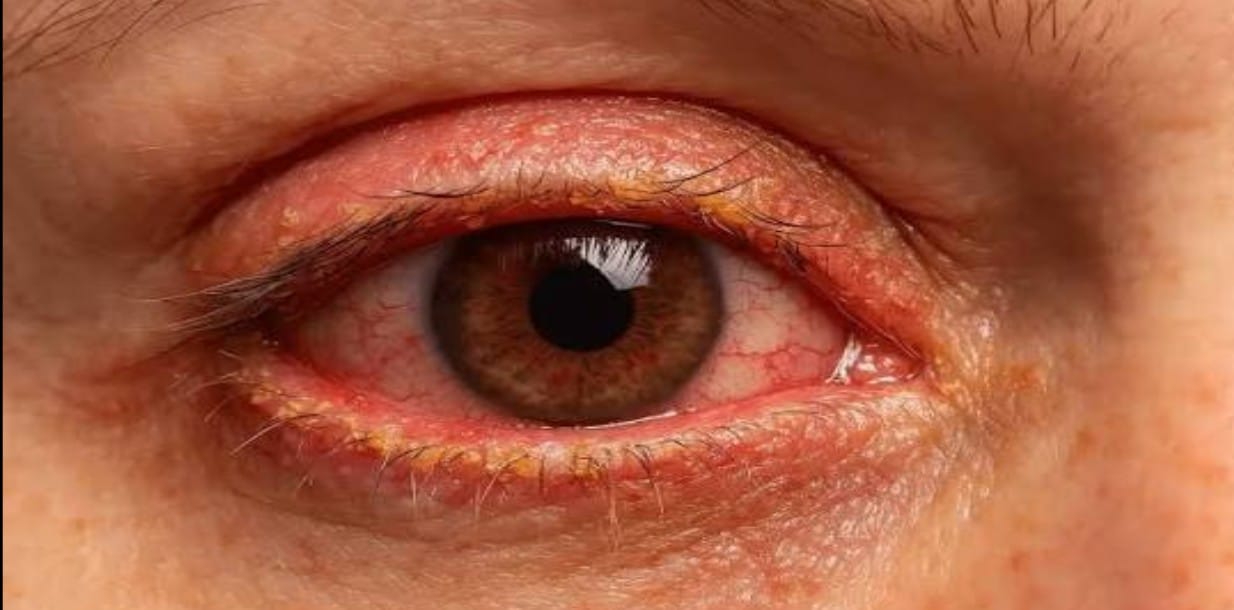
Waking up feels harsh, eyes burn, and the edges of eyelids feel dusted with fine sand, as if after a night spent facing the Sahelian mists. For thousands of Cameroonians, this morning scenario is far from simple, passing fatigue. It reflects the silent grip of an eye condition as common as it is dangerous: blepharitis. A chronic inflammation of the eyelid margins, this condition directly targets the delicate area where eyelashes are rooted and where tiny sebaceous glands, essential for eye lubrication, thrive. While it doesn’t immediately threaten vision when treated promptly, it plagues patients’ daily lives with persistent redness, intense burning sensations, and heavy, irritated eyelids.
To understand this multifaceted disease, clinical rigor is essential. As Dr. Marie Evodie Akono Zoua, an eminent ophthalmologist, university lecturer-researcher, and leading figure in forensic expertise in Cameroon, forcefully emphasizes, managing these conditions requires a modern, humanistic, and multidimensional approach. Specialists distinguish several clinical forms that should not be confused. Anterior blepharitis affects the outer part of the eyelid margin, often triggered by staphylococcal bacteria or the insidious proliferation of microscopic mites called Demodex. Even more common is posterior blepharitis, or Meibomian gland dysfunction, which attacks the inside of the eyelid by blocking the production of the crucial lipid layer that prevents tears from evaporating too quickly.
The complications of this chronic inflammation can quickly become debilitating if the early warning signs are ignored. Repeated blockages of the glands lead to the painful appearance of styes and recurring chalazia. Even more seriously, severe and untreated blepharitis can damage the cornea, causing persistent keratitis, ulcers, or eyelash abnormalities that eventually cause dangerous rubbing against the eye. Reference works by the French Society of Ophthalmology (SFO) and the global TFOS DEWS II report underscore the urgent need for accurate slit-lamp diagnosis, the only method capable of identifying the precise source of the problem, whether bacterial, seborrheic, or parasitic.
Fortunately, this condition is not inevitable as long as the patient adopts a rigorous treatment plan. The protocol revolves around three essential steps. First, apply warm compresses for five to ten minutes to loosen the oily secretions that have solidified in the glands. Next, gently massage the eyelid to dislodge and empty the contents of the blocked glands. Finally, carefully clean the eyelid margin using specific solutions or wipes to remove debris and bacteria. It is recommended to wash your hands thoroughly before any contact with your face, avoid sharing or using expired makeup, protect your eyes from dust with appropriate eyewear, and favor a diet rich in omega-3 fatty acids to nourish tear quality. Taking care of your eyes in Cameroon means refusing to let invisible inflammation dictate your daily life.