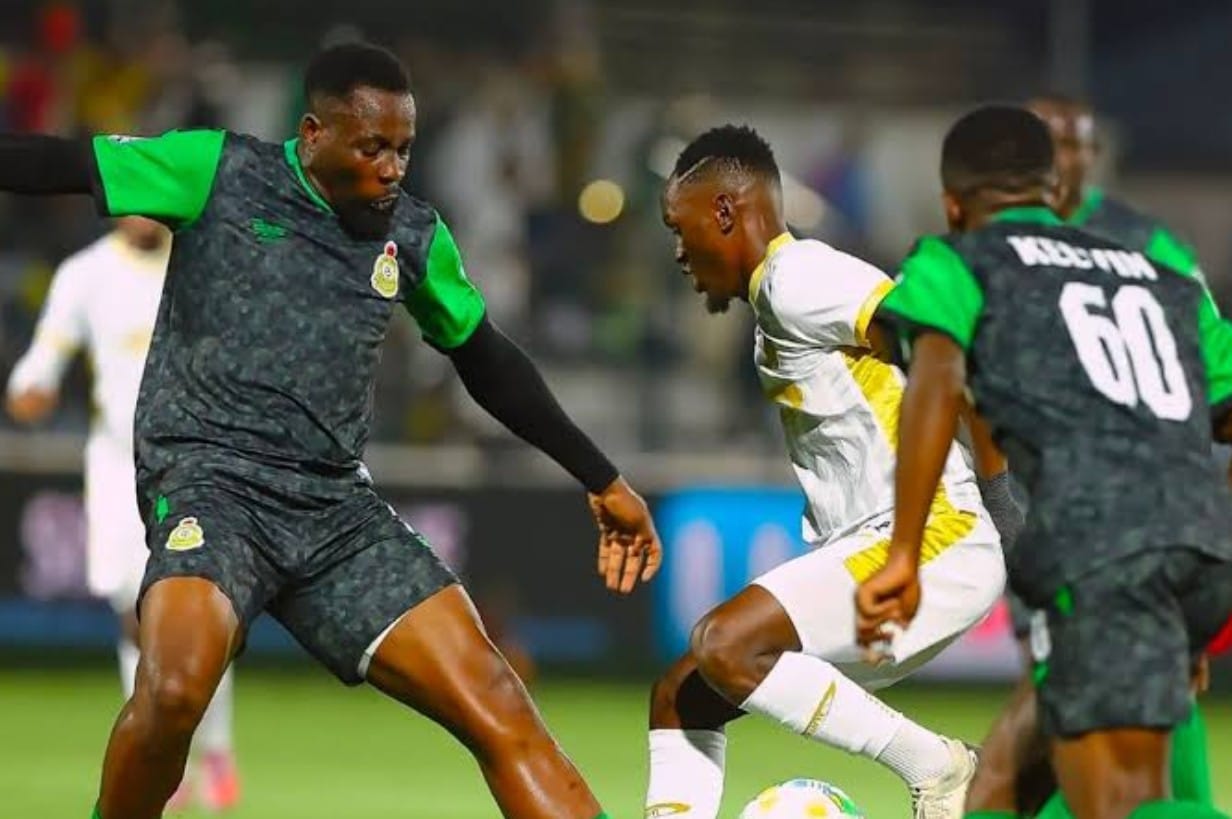
Between overloaded schedules, extreme climates, and disparities in medical care, the physical well-being of African athletes is severely tested. With the 2026 World Cup approaching, protecting player health has become the major challenge for continental football.
One of the biggest risks for African national teams during the final phase of the 2026 FIFA World Cup, co-hosted by the United States, Mexico, and Canada, lies in exposure to extreme temperatures and stifling humidity. To limit the risks of dehydration, heatstroke, and a sudden drop in performance, FIFA has instituted mandatory hydration breaks during matches played in high temperatures. Despite this, the accumulated fatigue in these challenging conditions leads to the dreaded « end-of-match syndrome. » This drastic drop in mental clarity and muscle responsiveness due to heat exhaustion largely explains why many African national teams concede crucial goals in the final moments of matches.
A grueling schedule: health at breaking point
To reach and maintain their place at the world level, African players based on the continent or in Europe must cope with an unsustainable match schedule, sometimes playing national and international competitions every three or four days over very long periods. This frantic pace ignores the recommendations of FIFPRO, the global players’ union, which advocates a minimum of five days of rest between each match to allow for complete physiological recovery. Failure to respect this critical threshold leads to dramatic physical consequences, including a surge in muscle and joint injuries, a weakened immune system coupled with endocrine exhaustion, and a significantly increased risk of cardiac events in the event of overtraining or a premature return to play.
Towards a revolution in medical monitoring and prevention
Aware of these shortcomings and the dangers facing players, football governing bodies are currently undertaking several major projects to protect athletes. The Confederation of African Football (CAF) has notably deployed the online PCMA (Pre-Competition Medical Assessment) system, a tool that allows for the recording and monitoring of the medical history of each player participating in continental competitions in order to anticipate the risk of serious illnesses. In parallel, targeted scientific initiatives such as the ReFORM network and local research programs are actively focusing on injury prevention, concussion management, and training staff in emergency care protocols. Finally, the systematic implementation of doping controls by CAF at all African tournaments contributes to protecting the long-term health of players from the use of harmful substances.