

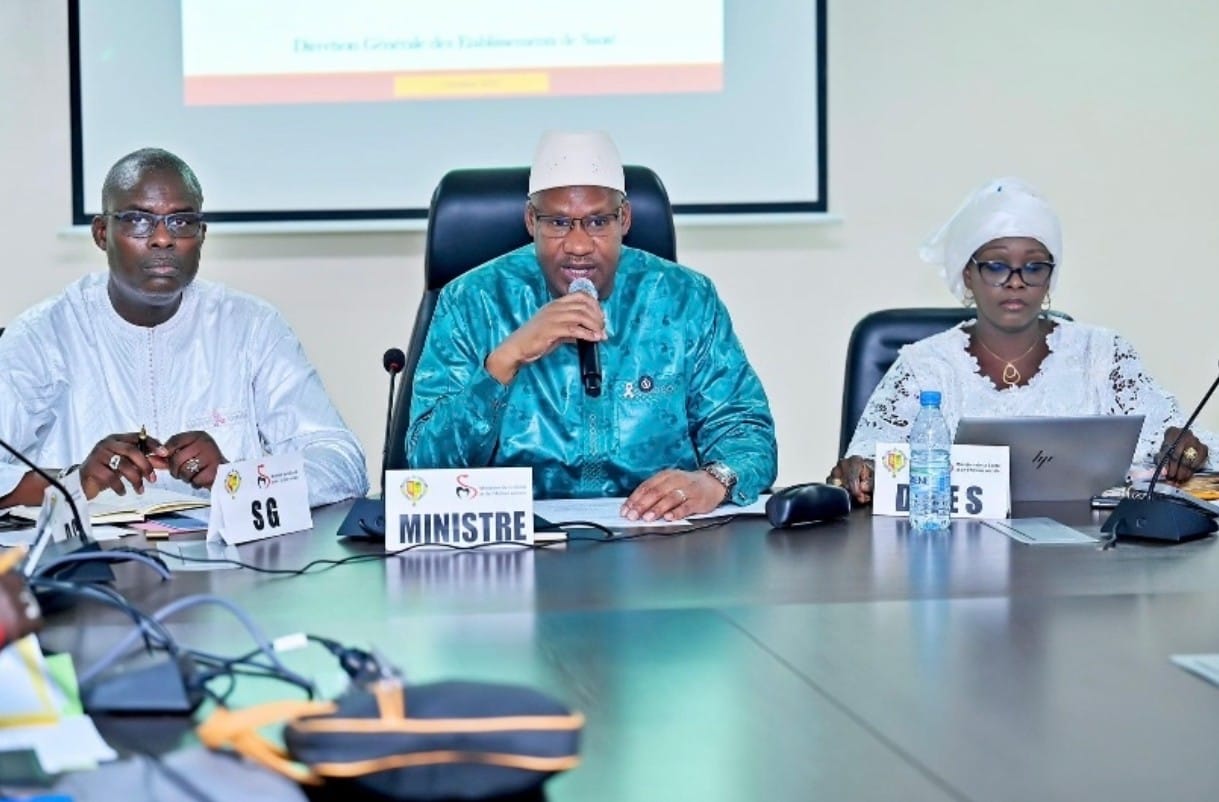
Senegal has taken a decisive step toward strengthening its health sovereignty by approving a ten year strategy valued at CFA 6.661 trillion. The reform seeks to build a stronger, more resilient healthcare system while reducing the country’s dependence on external support for medicines, financing and health services.
A shift toward greater self reliance
Senegal is positioning itself among a growing number of African nations determined to reshape their health systems in the aftermath of the Covid 19 pandemic. By technically validating its National Strategy for Health System Transformation 2025 to 2034, the government has laid the foundation for one of the most ambitious healthcare reforms in the country’s history.
The strategy goes beyond expanding hospitals or increasing healthcare spending. It aims to address long standing structural weaknesses while advancing a broader vision of health sovereignty, ensuring that the country can better meet the health needs of its population with stronger national capacity.
Modernizing healthcare delivery
At the core of the reform is a commitment to improve governance, modernize healthcare delivery and make quality services more accessible. Health districts, considered the backbone of primary healthcare, will undergo significant reforms, while both public and private hospitals are expected to adopt stronger management and accountability mechanisms.
Another key objective is to accelerate the digital transformation of healthcare. Expanding digital health services could improve patient management, strengthen disease surveillance and support faster decision making across the health system.
The government also plans to promote the growth of a national pharmaceutical industry, a priority that reflects lessons learned during recent global health crises, when disruptions in international supply chains exposed Africa’s dependence on imported medicines and medical products. Strengthening local production is expected to improve medicine availability while reinforcing the country’s preparedness for future public health emergencies.
Expanding universal health coverage
Universal health coverage is another cornerstone of the strategy. Authorities intend to gradually introduce mandatory health insurance to reduce out of pocket spending, which remains a major barrier to healthcare access for many families. The reform also places prevention at the heart of the health system, recognizing that investing in health promotion and early detection can save both lives and resources.
The government has set ambitious goals for the coming decade, including increasing life expectancy from 69.3 years to 73 years by 2034 and narrowing disparities in access to healthcare between urban and rural communities
Implementation will determine success
Yet the success of the strategy will depend on more than political ambition. Delivering a reform of this scale will require sustained financing, transparent governance and careful monitoring to ensure that investments translate into better health outcomes.
Speaking during the validation workshop, Health Minister Dr Ibrahima Sy stressed that efficiency and accountability would be essential to maximize every franc invested. The World Health Organization echoed that message, welcoming the strategy while urging authorities to prioritize evidence-based interventions, encourage innovation and maintain strong oversight throughout implementation.
For Senegal, the strategy represents more than a national reform. It is part of a wider African movement toward stronger, more self-reliant health systems capable of withstanding future crises while delivering equitable and quality healthcare for all.


