Between eligibility conditions, the creation of a meticulous file overseen by the Industrial Fishing Service and a processing time of thirty days, this system guarantees the sustainability and protection of the national fisheries heritage.
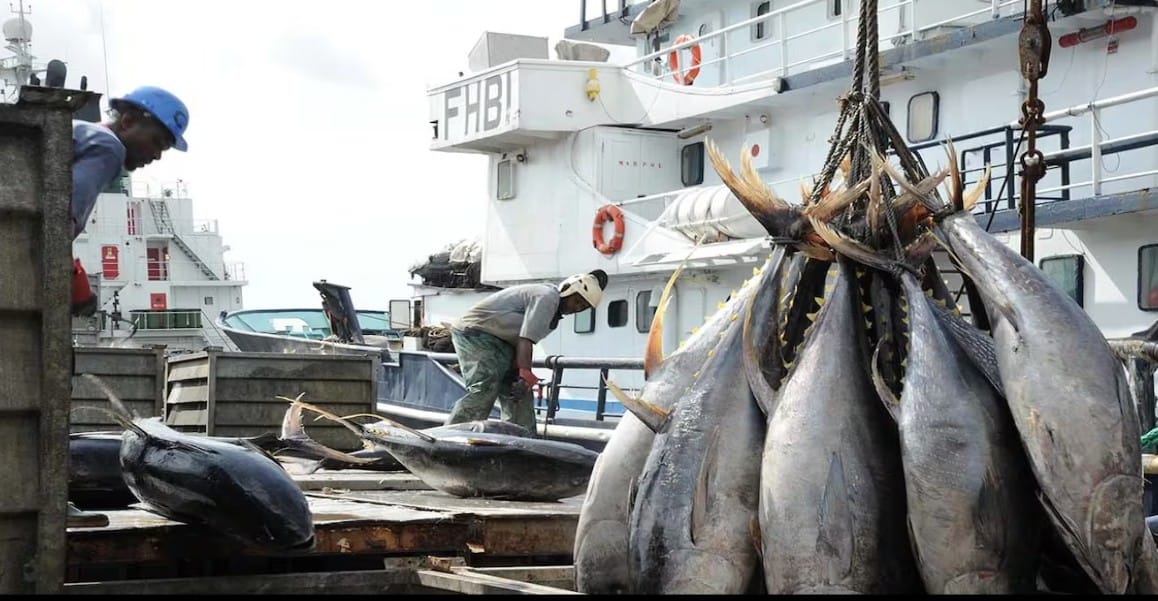
Given the increasing activity of fishing fleets along the country’s coasts, the high seas remain an area of intense economic interest, albeit strictly regulated, where every vessel seeking fishing opportunities must comply with the rigorous requirements of the authorities. Obtaining the necessary permit to operate legally in Cameroonian waters is not a matter of chance, but rather the result of an administrative process governed by strict legal texts, such as the 1995 law on fisheries regulations and the organic decrees regulating the ministerial department responsible for fisheries and animal industries. For any economic operator or shipowner wishing to embark on this maritime venture, mastering the procedures and meticulously adhering to the eligibility requirements are the primary guarantees of sustainable fishing practices that comply with the laws of the Republic.
The procedural process, initiated directly by the applicant with the Industrial Fisheries Service, imposes rigorous screening of candidates from the outset. Whether an individual or a legal entity, these entry barriers guarantee the sector’s credibility and professionalism. Individuals must reside in Cameroon, while legal entities are required to establish their registered office there and ensure that the composition of their share capital is fully known and transparent to the fisheries administration. Furthermore, prior possession of an industrial fishing permit is an essential prerequisite before even considering submitting a complete application for the coveted license signed by the relevant Minister.
The application file required by the administration is akin to a meticulous technical and administrative inventory. The applicant must submit a stamped application, clearly stating the full name, address, and nationality of the boat owner, along with a certified copy of their registration certificate. The technical aspects play a central role in the application evaluation, requiring the submission of an inspection certificate, an HACCP plan, and detailed specifications regarding the name, final registration number, or any other identifying information about the vessel.
The vessel’s safety and legal compliance are also essential, as evidenced by the presentation of a valid seaworthiness certificate issued by the Minister responsible for the merchant marine, as well as a receipt confirming payment of the fee associated with the issuance of the permit. Depending on the applicant’s legal status, a criminal record extract dated within the last three months is required for individuals, while legal entities must submit a five-year recruitment and training program for fishermen. Finally, a formal commitment, represented by a declaration on stamped paper, seals the republican pact: the applicant pledges to collaborate closely with the administration to monitor the proper management of fisheries resources, to accept a scientific observer on board at the shipowner’s expense, and to land all catches on national soil before any potential export.