On the occasion of International Day of the Midwife, whose global theme is « One Million More Midwives, » Bertrice Tchouangue Tchassem, president of the Association of Midwives and Related Professionals of Cameroon (ASFAC) for the Central Region, paints a stark picture. According to her, the problem is not so
much the number of trained midwives—Cameroon trains hundreds each year—but rather their poor distribution and their assignment outside of reproductive, maternal, newborn, child, and adolescent health services. Between advocating for the recognition of the midwifery profession and calling for preventative care, she delivers a clear message: make better use of existing resources to reduce maternal and neonatal mortality.
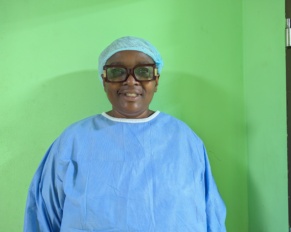
In the system of obstetric and neonatal care, the midwife plays a leading role. The world celebrates International Midwives Day…
From April 24 to 30, 2026, the Kumba North district is celebrating African Immunization Week. Led by Dr. Eko Alain,…
A high-level technical three-day workshop in Nkolandom toutist Center has validated updated HIV/AIDS estimates for 2025, providing a data-driven foundation…
On April 30, 2026, a high-level meeting held by the Minister of Public Health in Yaoundé. The meeting revealed structural…
Chili peppers fight against cardiovascular disease
Lemongrass and king of herbs help treat typhoid fever
Representing nearly 30% of the meat consumed on the planet, it is prized for its tenderness and culinary versatility.
Cameroon’s aquaculture potential is no longer just a figment of the imagination. From the 420 km of coastline in the Littoral region to the vast reservoirs of the Far North, each ecosystem offers a specific niche.
On April 22, World Earth Day, the Eco-Health Club, chaired by Fogueng Noah Bernard Junior, a fifth-year general medicine student, organized a workshop unprecedented in the history of the faculty.