After months of rapid expansion, Ebola transmission is showing signs of slowing in the Democratic Republic of the Congo. Authorities are reporting fewer daily cases and several health zones with no recent infections. But with transmission still active in several provinces, including areas facing insecurity and high population mobility, health officials are warning against premature optimism.
The Democratic Republic of the Congo is entering a critical phase in its response to the Ebola outbreak. After weeks of sustained transmission, the number of new daily infections has declined from around 120 at the peak to about 80. Ten of the 62 affected health zones have reportedly gone more than three weeks without recording a new case, while six have remained without cases for more than 42 days.
The improvement has prompted cautious optimism among health authorities. However, officials and international partners continue to consider the situation fragile. The outbreak has already spread across seven provinces, including Sud-Ubangi, far from its initial epicentre in Ituri. The latest expansion demonstrates how quickly transmission can move beyond established outbreak areas.
Uneven progress across affected areas
The epidemiological situation is not evolving at the same pace everywhere. Ituri, which remains the main focus of the outbreak, has recorded encouraging signs of declining transmission. In contrast, North Kivu continues to report worrying levels of infection, with insecurity and population movements complicating surveillance and the work of response teams.
This uneven pattern is one of the main reasons authorities are reluctant to declare victory. A decline in national figures does not necessarily mean that transmission has been interrupted. New infections in areas with active transmission can still generate chains of infection and threaten neighbouring communities.
The World Health Organization has also warned that delayed detection can allow the virus to spread within households, communities and health facilities. Community engagement therefore remains central to the response, particularly where fear, rumours or mistrust can discourage people from reporting symptoms or accepting public health measures.
Keeping the response active
To prevent a rebound, the Congolese government and its partners are maintaining surveillance, contact tracing, laboratory testing, infection prevention and control, clinical care and community engagement. A revised 180-day response plan was launched in early September with support from WHO, the United Nations, Africa CDC and other partners.
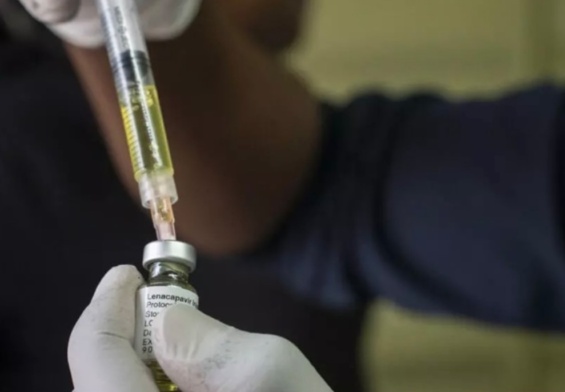
The challenge is particularly significant because the current outbreak is caused by the Bundibugyo virus, for which there is currently no licensed vaccine or specific treatment. Research and clinical trials are under way to evaluate potential medical countermeasures.
With more than 7,200 confirmed cases and over 3,500 deaths recorded by mid-September, the outbreak remains one of the most serious Ebola epidemics ever recorded.
For authorities, the current decline is therefore less a reason to relax than an
opportunity to intensify efforts. Maintaining surveillance and community cooperation while transmission is falling could determine whether the country moves toward sustained control or faces another wave of infections.