Chicken breast, particularly when consumed without the skin, boasts a remarkable nutritional profile, delivering approximately 31 grams of protein per 100 grams, while exhibiting a near absence of saturated fats.
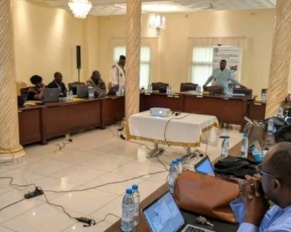
Cameroon’s political capital hosted a crucial meeting on July 29, 2026, for the preservation of public health and the country’s collective resilience. Under the expert leadership of Mr. Sali Ballo, Coordinator of the Technical Committee, the thirty-fifth session of the Technical Committee of the Zoonoses Program, acting as the One Health platform, opened in Yaoundé in an atmosphere of rigor and multisectoral commitment. In a global context where cross-border health threats and epizootics constantly remind us of the vulnerability of our ecosystems, this periodic meeting provides a valuable opportunity to adjust national strategies, assess the progress of actions undertaken, and strengthen coordination among the various sectoral administrations involved in protecting human, animal, and environmental health.
The work of this high-level session brought together qualified representatives from various ministerial departments and partner technical bodies. At the heart of this strategic consultation, the in-depth analysis of the epidemiological situation held the full attention of the participants. Faced with fluctuating health risks and the constant pressure of emerging and re-emerging infectious diseases, a rigorous
examination of field data is essential to anticipate crises and deploy proportionate responses. The experts thus scrutinized recent indicators, enabling them to develop an updated overview of vulnerable areas and optimize health surveillance across the entire national territory.
The second major focus of this consultation meeting was a review of the activities carried out to date by the Permanent Secretariat of the Zoonoses Programme. This thorough assessment allowed for an evaluation of the progress made in implementing the strategic orientations and operational programmes planned for the current fiscal year. Discussions highlighted the significant advances achieved on the ground, while also identifying logistical and institutional bottlenecks that require greater synergy. The active involvement of sectoral administrations demonstrated the vitality of the One Health approach in Cameroon, where the pooling of expertise remains the cornerstone of an effective response to major zoonoses.
This thirty-fifth session thus confirms the consistency and determination of the Cameroonian authorities to consolidate the gains made in health security. By ensuring the continuity of these frameworks for exchange and strategic guidance, the One Health platform provides the country with the means to better anticipate current epidemiological challenges. The resolutions and guidelines resulting from these discussions in Yaoundé will serve as a compass to refine interventions on the ground, thereby providing lasting protection for populations and livestock against persistent health risks.
Obtaining an industrial fishing license is an essential requirement for exploiting maritime waters under Cameroonian jurisdiction, and involves a rigorous administrative and technical process.
By structuring the upstream and downstream aspects of production, these specialized incubators provide the essential keys to transforming traditional know-how into a truly modern industry.
As Cameroon resolutely commits to its import-substitution policy, the agropastoral sector is becoming a fertile ground for innovation and entrepreneurship.
Faced with the growing threats of transmission of animal diseases to humans, the Zoonoses Programme took an active part in the training workshop organised on 21 and 22 July 2026 in Kribi by the Ministry of Public Health.
Endowed with remarkable natural qualities, this poultry offers significant advantages that deserve to be highlighted for its development. Guinea fowl…
From hooves to heritage: in Garoua, Oumarou raises racehorses like one cultivates a family treasure. From passion to profession. This…
Spraying of an agricultural crop
In the far north of Cameroon, atmospheric conditions are ideal for drying fish.